The Core Debate: Reformer vs. Mat Pilates
Imagine Sarah, a busy marketing executive, who dedicates her lunch hour twice a week to Pilates. She's been consistent for months, feeling stronger, more energized, and her nagging lower back pain has significantly diminished. Yet, she still catches herself slouching at her desk by mid-afternoon, and those deep, transverse abdominal muscles she hears instructors talk about still feel elusive, especially when she tries to hold a plank on her own. She wonders if she's missing something, if one modality might unlock that next level of core strength and postural mastery she craves. She’s seen friends rave about their Reformer sessions, while others swear by the simplicity and challenge of Mat work. Which path, she ponders, truly holds the key to her ultimate core goals?
This is a scenario many of us in the Pilates community encounter regularly, both personally and with our clients. The debate between Reformer and Mat Pilates isn't about one being "better" than the other; rather, it's about understanding which tool in the Pilates arsenal best serves your specific needs and aspirations for core strength, stability, and overall well-being. Both modalities, rooted in Joseph Pilates' brilliant method, offer profound benefits, yet they engage the body and challenge the core in distinct ways. Let's delve into the unique offerings, advantages, and considerations of each, helping you make an informed choice for your core journey.
Reformer Pilates: The Assisted Challenge
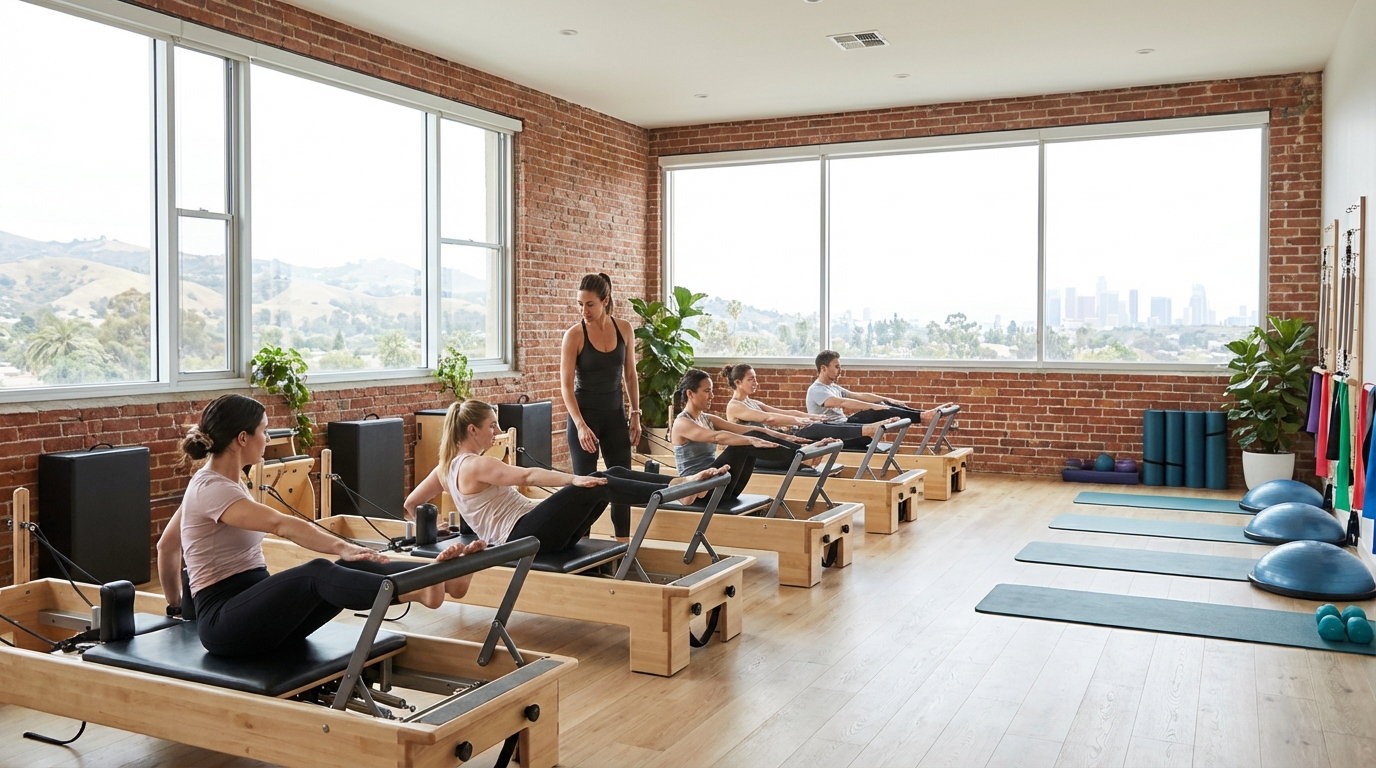
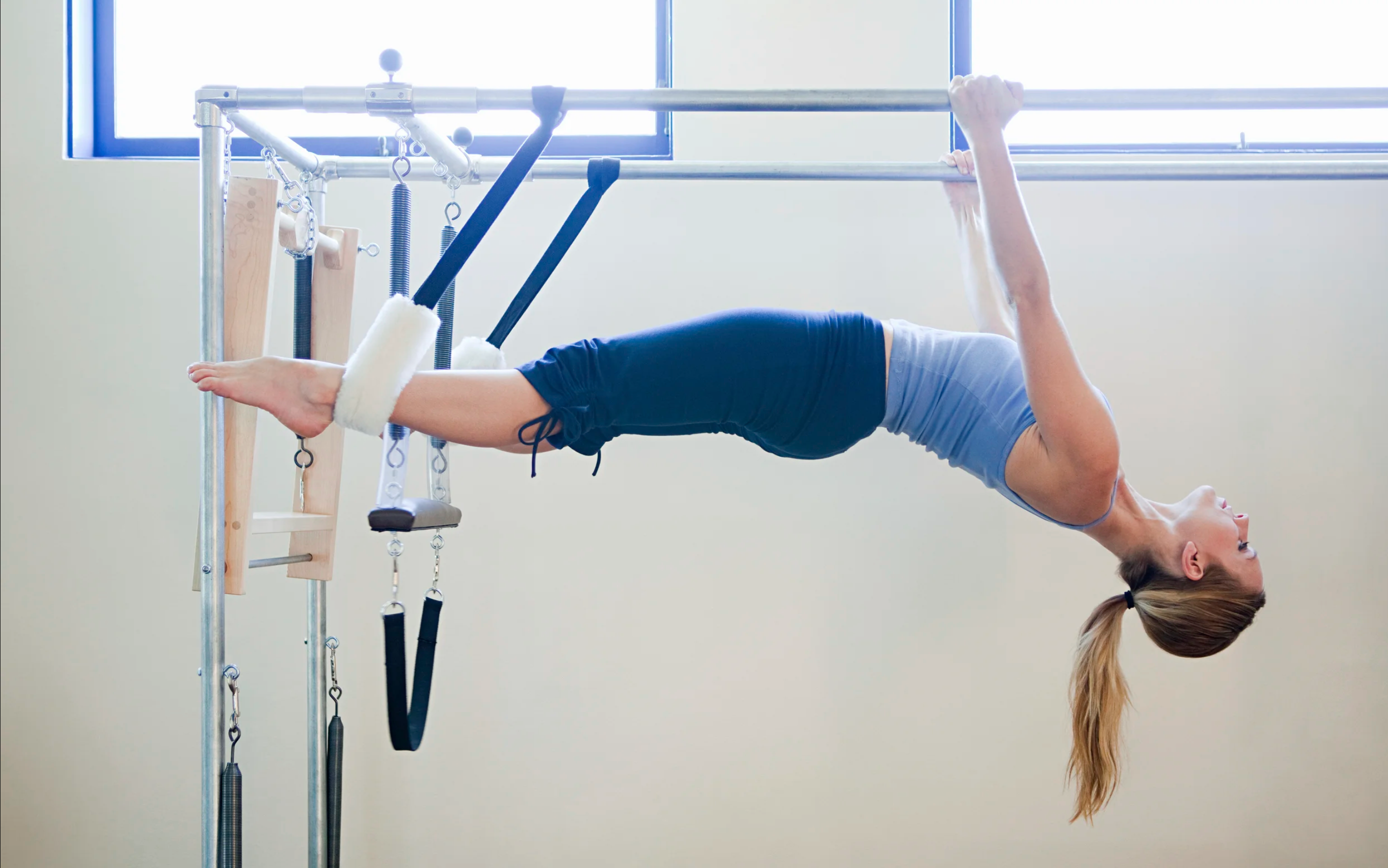
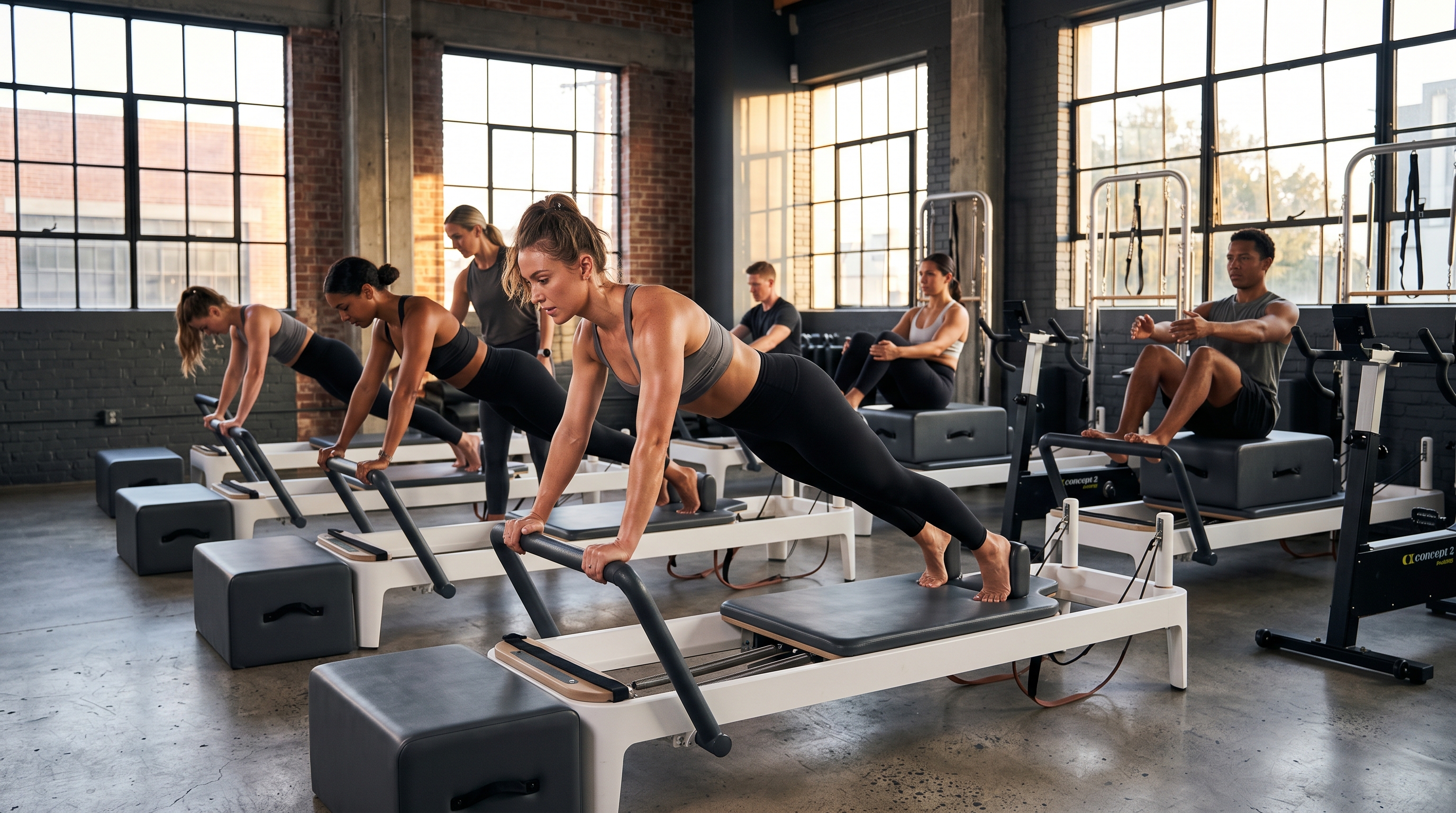
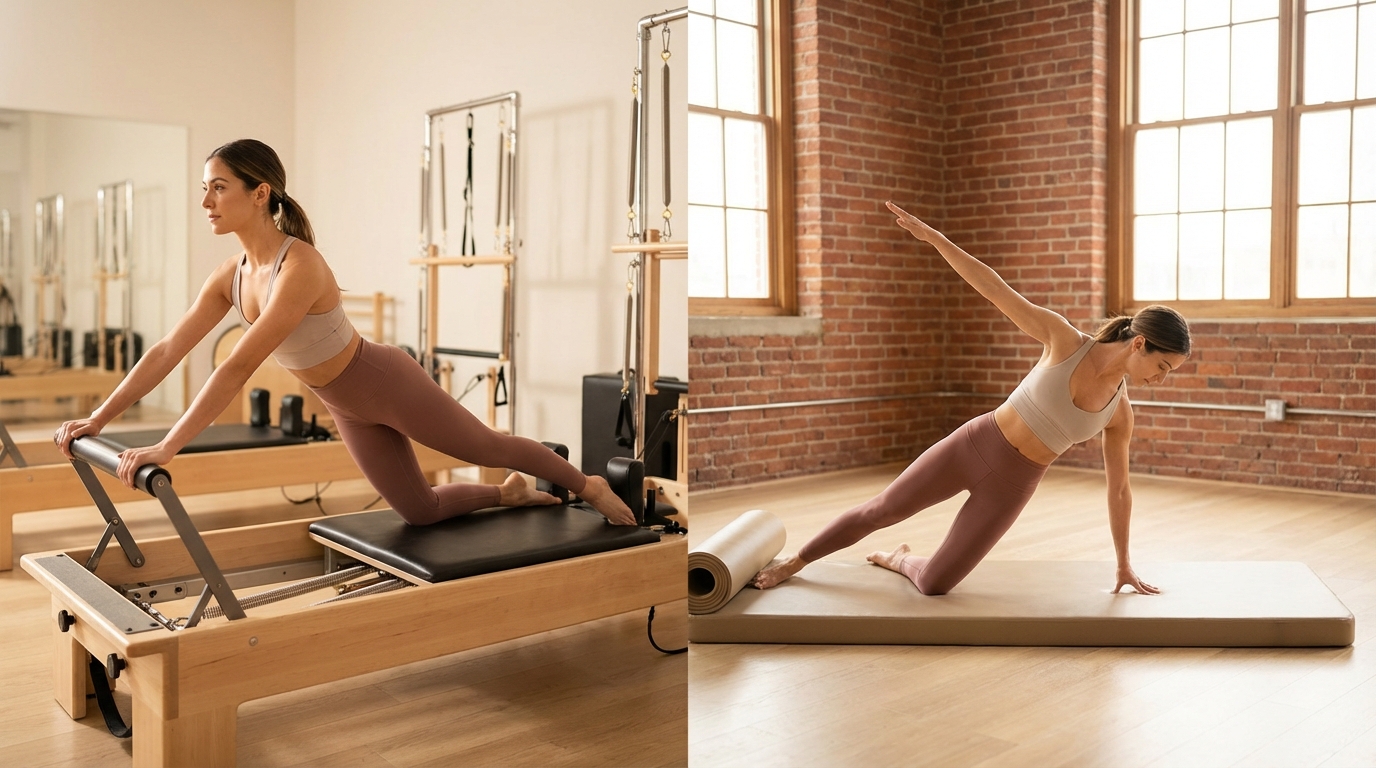
The Reformer, with its sliding carriage, springs, straps, and pulleys, is an ingenious piece of equipment designed to either assist or resist movement, making it incredibly versatile. For core work, its primary advantage lies in the immediate feedback it provides. The springs offer adjustable resistance, allowing you to challenge your core muscles in a progressive manner, building strength and endurance. Beginners or those with injuries often find the Reformer more accessible, as the springs can provide support, helping them find proper alignment and engagement before gravity-only exercises become too demanding. The straps and foot bar offer tangible points of contact, allowing you to "feel" your core connecting to your limbs, enhancing kinesthetic awareness. Exercises like the Short Box Series or Stomach Massage on the Reformer specifically isolate and strengthen the abdominal muscles, promoting deep core stability and spinal articulation in ways that can feel more targeted due to the external resistance.
Despite its many benefits, the Reformer does have its limitations. The most obvious is accessibility and cost. A Reformer machine is a significant investment, and studio classes are generally more expensive than Mat classes. Furthermore, the external support and resistance, while beneficial, can sometimes create a dependency. If not taught mindfully, a client might rely on the machine's feedback without truly internalizing the muscle engagement. The challenge then becomes translating that Reformer-honed strength to everyday movements or unassisted Mat work. It requires a skilled instructor to guide clients past simply "doing" the exercise to truly "feeling" and understanding the core connection.
Mat Pilates: The Intrinsic Powerhouse
Mat Pilates is the purest form of Joseph Pilates' original work, stripping away all external assistance and relying solely on your body weight and gravity. This inherent challenge is its greatest strength, particularly for core development. Without the springs or carriage to guide you, your intrinsic stabilizing muscles—the deep abdominals, multifidus, and pelvic floor—must work harder to control movement and maintain stability. This self-reliance fosters incredible body awareness and teaches you to generate power from your center. Mat work demands a profound level of core engagement, balance, and coordination, building a deep, functional strength that translates seamlessly to daily life and other physical activities. It’s also incredibly accessible; all you need is a mat and enough space, making it perfect for home practice or travel.
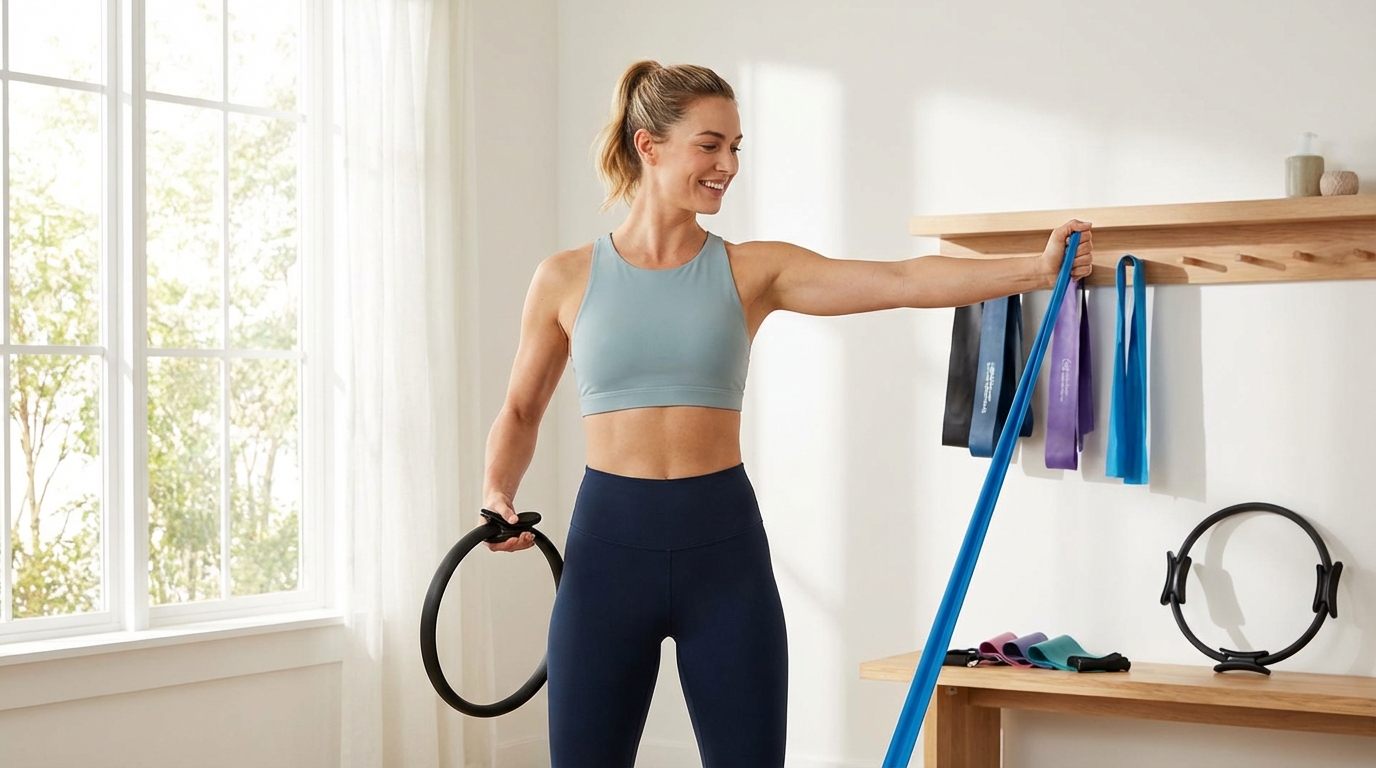
The very elements that make Mat Pilates so powerful can also be its drawbacks, especially for beginners or those with specific physical limitations. The lack of external support means there's nowhere to hide; if your core isn't engaged, you'll feel it immediately, often in your neck or lower back. This can be discouraging and, without proper guidance, can lead to compensatory patterns or even injury. Modifications often rely on smaller props like cushions or resistance bands, but the fundamental challenge of working against gravity remains. It requires a higher degree of proprioception and body control from the outset, making consistent, guided practice essential to avoid frustration and build a solid foundation.
Strategies for Deeper Core Engagement
To truly leverage either modality for your core goals, understanding how to engage is paramount.
1. The "Pilates Scoop" for Deep Abdominal Activation
In Pilates, we often talk about the "Pilates Scoop" – a gentle hollowing of the lower abdominals, drawing them up and in towards the spine, as if pulling a tight pair of jeans past your hips. This differs from a rigid "bracing" often taught in general fitness, which can flatten the lumbar curve and restrict breath. The scoop encourages activation of the transverse abdominis, while maintaining spinal articulation and mobility. In practice: When performing The Hundred on the Mat, focus on maintaining that gentle scoop, imagining your navel lifting away from your waistband as you pump your arms, rather than just flattening your back. On the Reformer, during Footwork, ensure your scoop is active to stabilize your pelvis as you press out and in, preventing your lower back from arching.
2. Utilizing Spring Tension for Targeted Core Challenge (Reformer)
The Reformer's springs are not just for resistance; they can be cleverly used to enhance core engagement. Lighter springs can increase the challenge by requiring more control to stabilize the carriage, while heavier springs provide resistance for building strength. In practice: For exercises like the Stomach Massage Series, starting with a lighter spring setting (e.g., one red spring) can force your deep abdominals to work harder to control the carriage's return, preventing it from crashing home. As you progress, adding a heavier spring (e.g., one red + one blue) allows you to build strength against greater resistance, further challenging your core's ability to stabilize your torso while your legs move.
3. The Power of Lateral Breathing (Both Mat & Reformer)
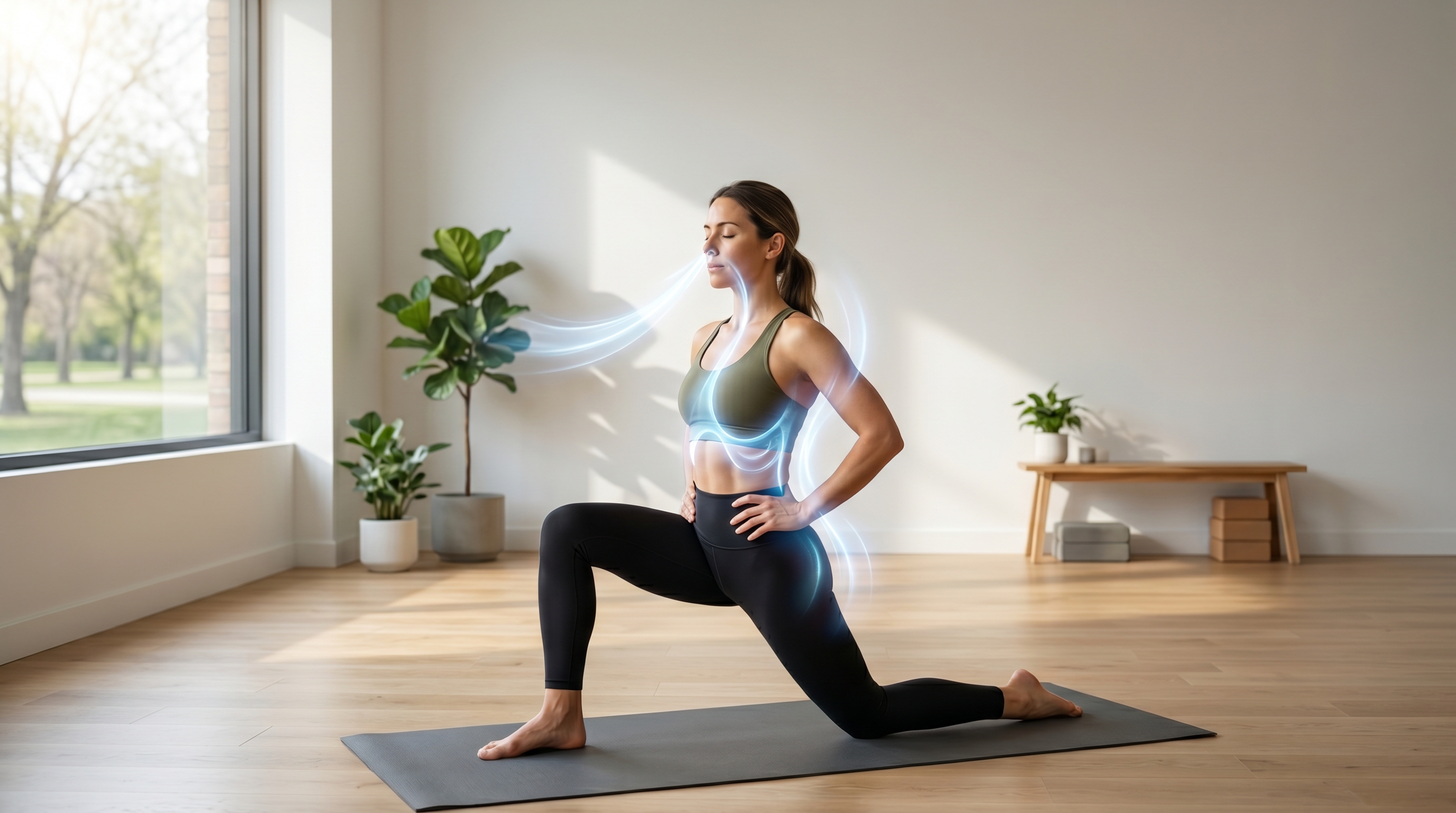
Joseph Pilates emphasized breath as the first and last act of life, and it's integral to core engagement. Lateral breathing—inhaling to expand the rib cage sideways and exhaling to draw the ribs in and down, engaging the deep abdominals—is crucial. This allows your core to remain engaged throughout the movement without holding your breath, promoting stability and oxygenation. In practice: During a Roll Up on the Mat, use your exhale to initiate the curl, drawing your abdominals deeply inward to articulate the spine off the mat. On the Reformer, during any exercise, synchronize your breath with the movement, using the exhale to deepen your core connection at the point of greatest effort, whether pushing out against springs or controlling a return.
Enhancing Proprioception and Kinesthetic Awareness
Both Mat and Reformer Pilates are powerful tools for enhancing proprioception (your body's ability to sense its position in space) and kinesthetic awareness (your body's ability to sense movement). This is not just a fancy term; it's fundamental to core control. When your brain receives clear signals from your muscles and joints about where your limbs and torso are, it can more effectively recruit the right muscles to stabilize your spine and execute movements efficiently. The feedback from the Reformer (springs, carriage movement) and the demands of Mat work (balancing against gravity) constantly challenge and refine these sensory systems, leading to a more intelligent and responsive core.
An 'In Practice' Vignette
I remember working with David, a keen golfer who struggled with rotational power and often experienced lower back stiffness after a round. He started with Reformer sessions, which helped him build foundational strength and understand pelvic stability. We focused on exercises like Saw and Twist on the Short Box, using the springs to create resistance for his obliques. After a few months, I encouraged him to integrate a weekly Mat class. Initially, he found it incredibly challenging, commenting, "It feels like I've lost all my strength without the springs!" But within weeks, he began to notice a profound shift. The Mat work forced his deeper stabilizing muscles to fire independently, without the external assistance of the machine. He learned to truly "find" his core, translating that intrinsic strength into a more stable, powerful golf swing and significantly reduced back pain. He realized it wasn't about one being superior, but how they complemented each other.
Conclusion: A Synergistic Approach to Your Core Goals
So, which workout best supports your core goals? The answer, as is often the case in Pilates, is nuanced: it depends. If you're new to Pilates, recovering from an injury, or seeking targeted strength building with immediate feedback, the Reformer can be an excellent starting point. Its supportive nature allows you to learn proper form and build strength progressively. However, if your goal is to cultivate profound intrinsic core strength, body awareness, and the ability to control your body against gravity in any situation, Mat Pilates is irreplaceable. It demands a deeper level of engagement and self-mastery.
Ultimately, the most effective approach for many is a synergistic one. Think of the Reformer as your strength and alignment trainer, and the Mat as your functional movement and body awareness coach. Integrating both into your routine, perhaps alternating days or dedicating specific periods to each, can provide a comprehensive and robust path to achieving and surpassing your core goals. Don't limit yourself to one; explore both, listen to your body, and discover the unique insights each offers. Your core will thank you for the well-rounded attention.