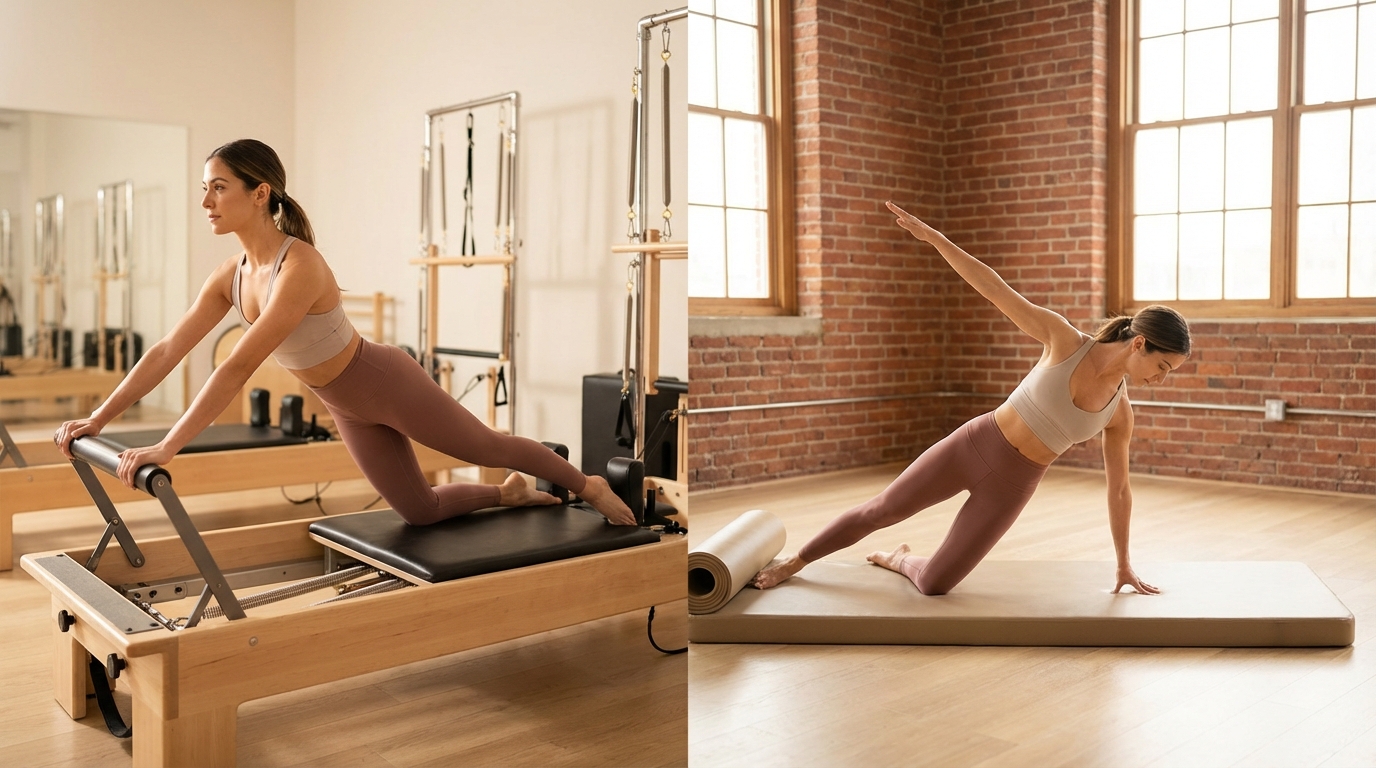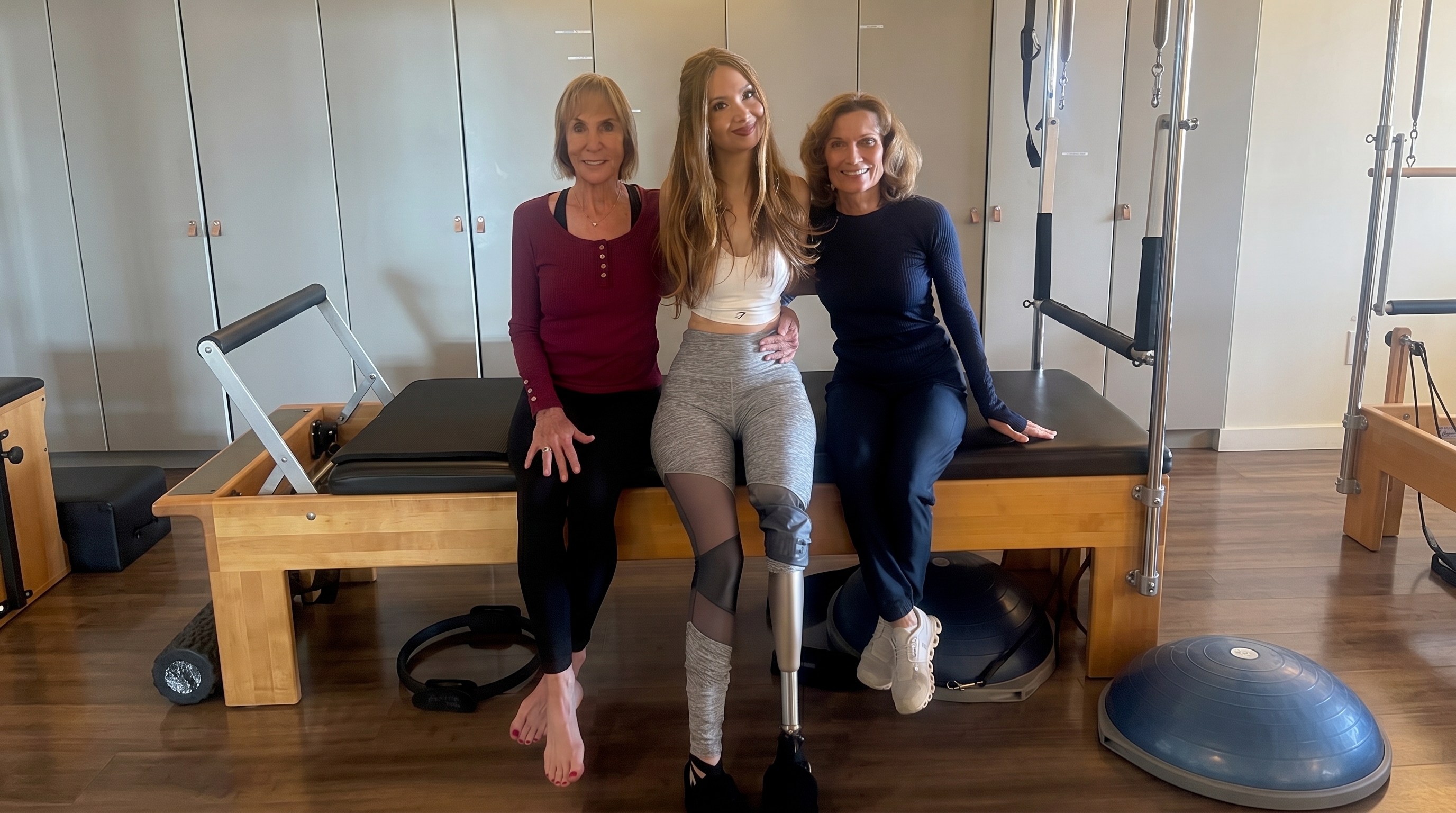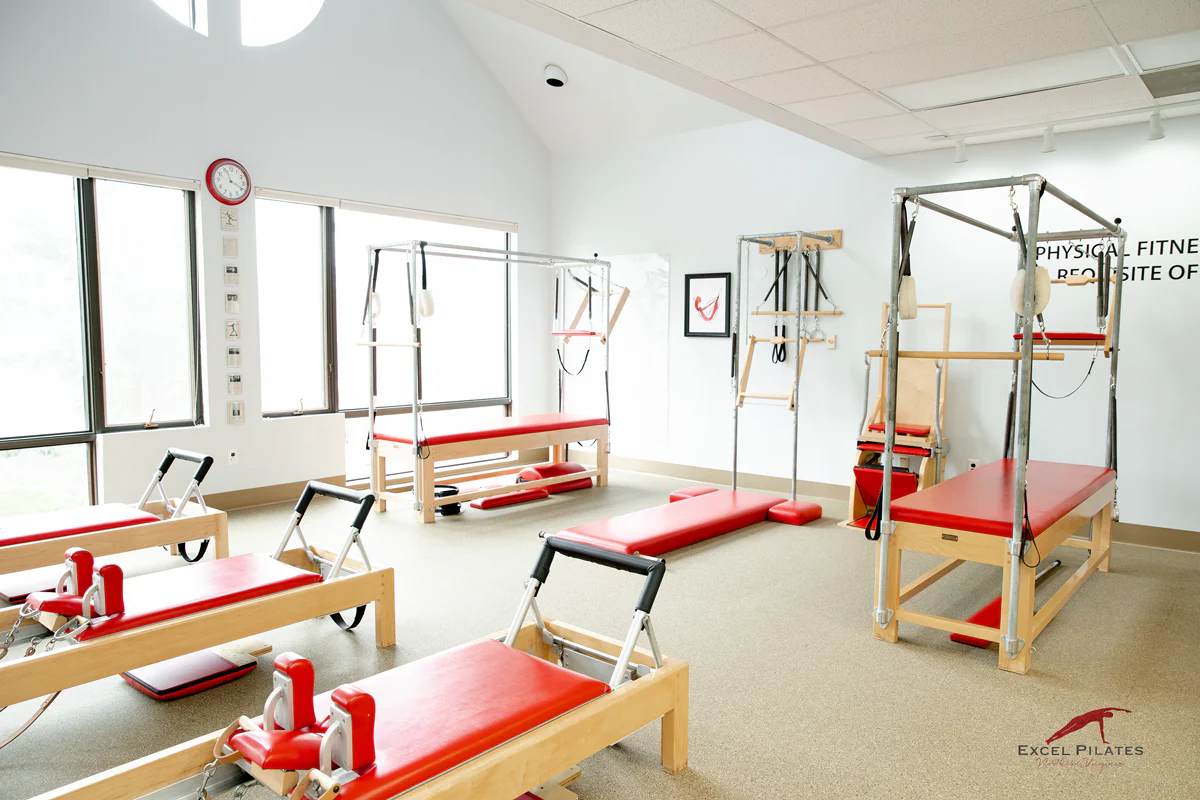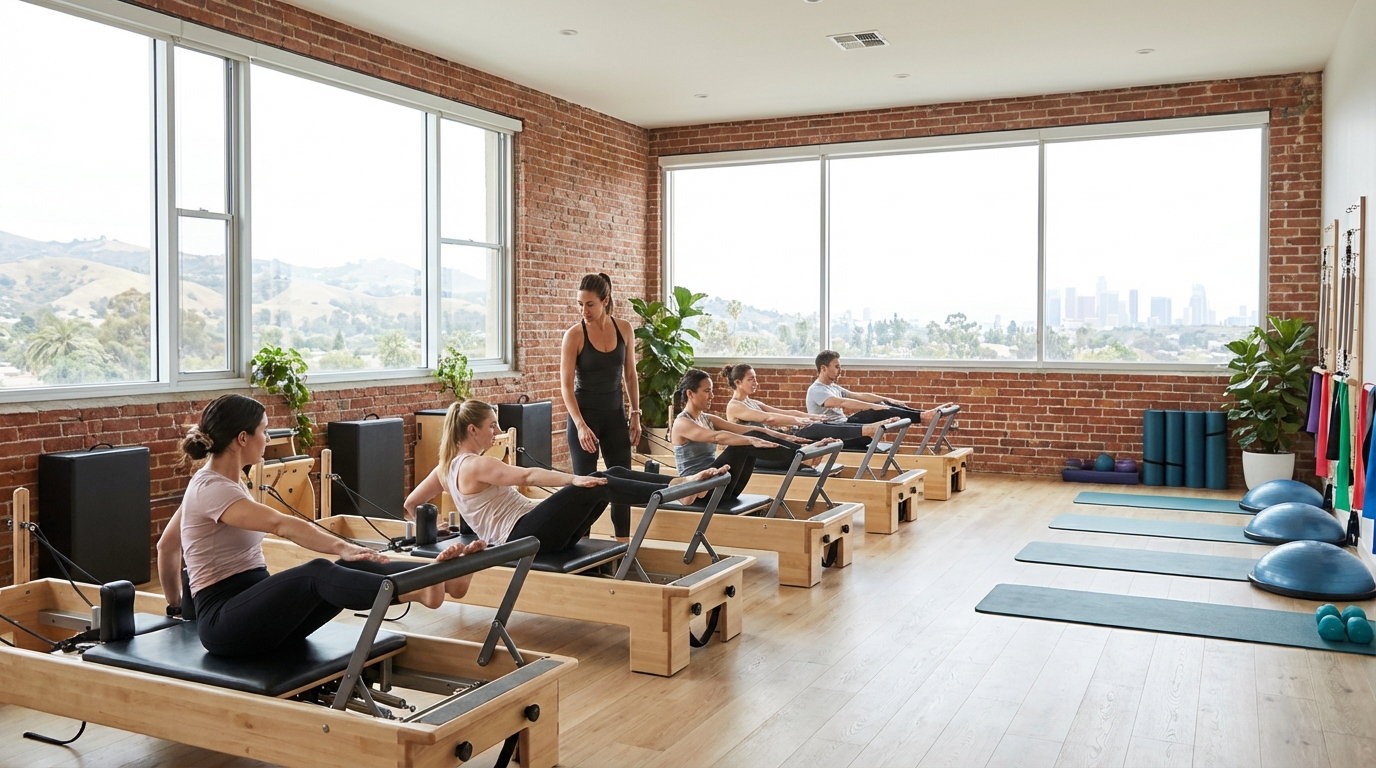
Imagine Sarah, a dedicated Pilates instructor in a bustling suburban town. Her studio, "Core & Flow," is a sanctuary for many, but she often finds herself wishing she could offer more. Her client, Mark, a keen golfer, comes to her with persistent lower back pain. While Pilates significantly helps his core strength and flexibility, Sarah knows he could also benefit from a sports massage therapist to address specific muscle imbalances, or perhaps a golf pro who understands body mechanics. Or consider Maria, a new mom struggling with diastasis recti; Sarah provides incredible support, but a specialized women's health physical therapist could offer a comprehensive initial assessment and collaborate on a long-term plan. Sarah, like many of us, realizes her expertise, while profound, is part of a larger wellness puzzle.
This scenario isn't unique. As Pilates professionals, we are masters of movement and body awareness, but true holistic wellness often requires a multidisciplinary approach. This is where the power of local partnerships comes into play. Collaborating with other health and wellness professionals isn't just a smart business strategy; it's a vital step towards creating a more robust, supportive, and healthier community. It allows us to serve our clients more comprehensively, expand our reach, and establish our studios as integral hubs in the local wellness ecosystem. Let's explore how we can build these invaluable connections.
Identify Your Wellness Allies
The first step in building a strong network is to identify who your natural allies are within your community. Think beyond direct competitors and focus on professionals whose services complement, rather than duplicate, yours. Who is already serving your ideal client base, or who could benefit from what Pilates offers?
- Physical Therapists & Chiropractors: These are often the most straightforward partnerships. Many clients come to Pilates for post-rehab or injury prevention. A strong referral relationship with a trusted PT or chiropractor ensures clients receive comprehensive care.
- Massage Therapists & Acupuncturists: These practitioners can address soft tissue issues and energy imbalances that, when combined with Pilates, create profound relief and improved function.
- Nutritionists & Dietitians: Movement and nutrition go hand-in-hand. Clients seeking weight management, improved athletic performance, or general health often need guidance in both areas.
- Mental Health Professionals: The mind-body connection is central to Pilates. Partnering with therapists, counselors, or mindfulness coaches can offer clients a holistic approach to stress reduction and emotional well-being.
- Specialized Coaches: Golf pros, running coaches, yoga instructors (for different styles), or personal trainers can benefit from Pilates for their clients' foundational strength, flexibility, and injury prevention.
- Local Businesses: Consider health food stores, athletic wear boutiques, or even community centers. They might be interested in hosting workshops or cross-promoting.
Start by researching local businesses online, checking client testimonials, or simply visiting establishments that resonate with your studio's philosophy. A personal introduction, perhaps with a coffee, can be far more impactful than a cold email.
Cultivate Mutual Value and Clear Communication
Any successful partnership is built on a foundation of mutual benefit and clear communication. It’s not just about getting referrals; it’s about creating a two-way street where both parties, and ultimately their clients, win. When approaching potential partners, focus on the value you can bring to their clients and business.
For example, when speaking with a physical therapist, you might highlight how Pilates can provide a safe, progressive transition from clinical rehab to independent movement, reinforcing their therapeutic outcomes and preventing re-injury. You can explain how your highly trained instructors understand modifications for various conditions, ensuring a seamless continuum of care.
Key communication points include:
- Understanding Each Other's Services: Take the time to learn about their practice, and clearly articulate the unique benefits of your Pilates offerings. Consider inviting them to observe a class or even try a private session.
- Establishing a Referral Process: How will referrals work? Will there be a special introductory offer for referred clients? How will you provide feedback to the referring practitioner (with client consent)?
- Defining Shared Goals: Are you aiming to improve post-surgical recovery rates, reduce chronic pain, or enhance athletic performance within your community? Aligning on common objectives strengthens the partnership.
- Reciprocal Support: Be prepared to refer your clients to them when appropriate. This demonstrates trust and builds a genuine relationship.
This collaborative mindset aligns perfectly with the concept of Collective Impact, an evidence-based framework for successful cross-sector collaboration. Collective Impact posits that complex problems (like community wellness challenges) can only be solved when organizations from different sectors commit to a common agenda, share measurement systems, foster mutually reinforcing activities, engage in continuous communication, and have a strong backbone organization. While our Pilates studios might not be tackling global issues, the principles apply locally: aligned efforts yield greater outcomes than isolated actions.
Create Joint Programs and Community Engagement
Once you've identified partners and established a foundation of trust, the next step is to create tangible collaborations that benefit both your businesses and the wider community. This is where innovation and creativity truly shine.
- Co-Hosted Workshops: Partner with a chiropractor for a "Healthy Spine Workshop," combining their anatomical insights with your practical Pilates exercises. Or team up with a nutritionist for a "Movement & Metabolism" seminar. These events draw new audiences to both businesses and position you as experts.
- Cross-Promotional Campaigns: Offer a discount for clients referred from a partner, or create a joint marketing flyer to be displayed in both locations. Run social media campaigns together, tagging each other and sharing content.
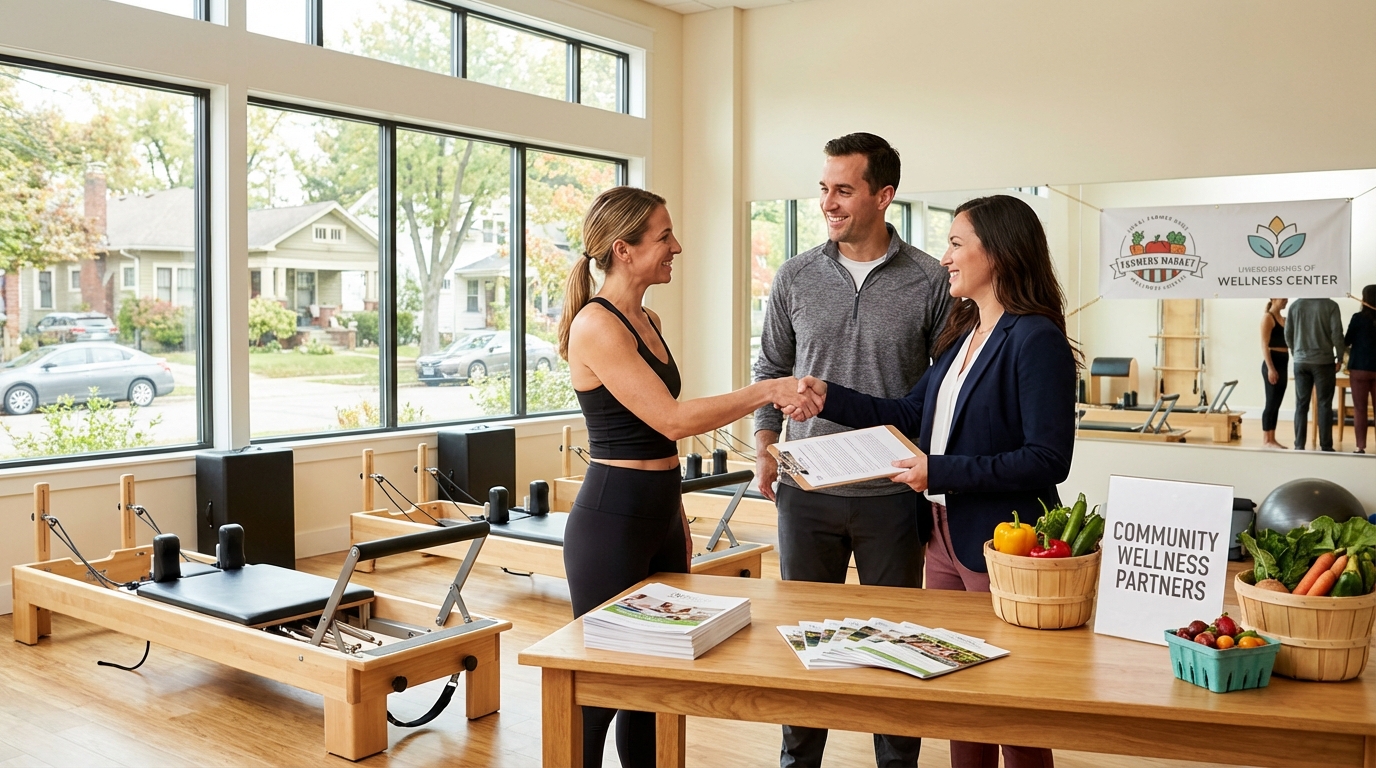
- Community Health Fairs: Participate in local health and wellness events together. Offer free mini-sessions or posture assessments alongside a chiropractor or massage therapist. This increases visibility and demonstrates your commitment to community well-being.
- Integrated Programs: Develop specific programs like "Pilates for Runners" with a running coach, or a "Post-Natal Core Recovery" series with a women's health PT. These structured programs provide clear pathways for clients and solidify the partnership.
In Practice: A Local Success Story
Our studio, "Pilates Path," forged a partnership with "Revive Physical Therapy," a local clinic specializing in orthopedic and sports injuries. We started small, with an informal referral system. Soon, we realized the potential for more. We co-developed a "Bridge to Wellness" program, a six-week Pilates series designed specifically for clients transitioning out of physical therapy. Revive PT refers patients directly to this program, knowing their progress will be safely and effectively continued. In return, we send clients with acute injuries or complex needs back to Revive. We've also co-hosted several free educational seminars on topics like "Understanding Your Core" and "Preventing Back Pain," which have consistently filled both our studio and Revive's waiting room with engaged community members. This symbiotic relationship has not only expanded our client base but also elevated the standard of care for movement and recovery in our town.
The beauty of these collaborations is that they extend our individual impact far beyond the four walls of our studios. We become more than just a place to work out; we become a vital resource, a trusted partner in our clients' overall health journeys. This strengthens our business, enriches our professional lives, and builds a healthier, more connected community for everyone.
Your Actionable Takeaway: Don't wait for opportunities to come to you. Identify one complementary business or practitioner in your area this week. Reach out, introduce yourself, and schedule a brief chat over coffee. Focus on how you can mutually support each other's missions. Even a single, strong partnership can be the catalyst for a ripple effect of wellness throughout your entire community.