Picture this: your phone buzzes relentlessly, emails pile up, deadlines loom, and the kids need picking up... your shoulders are practically touching your ears, and your jaw is clenched. You feel that familiar knot in your stomach, a constant hum of anxiety that makes even simple tasks feel overwhelming. This isn't just a bad day; for many, it's the daily reality of modern life, a chronic state of stress that chips away at our well-being.
We often seek external solutions for stress – a vacation, a new hobby, or even just another cup of coffee. But what if the most powerful tool for managing stress resides within you, waiting to be activated? This is where Pilates steps in, not just as a physical workout, but as a profound practice that re-establishes the crucial mind-body connection, transforming how we perceive and respond to stress.
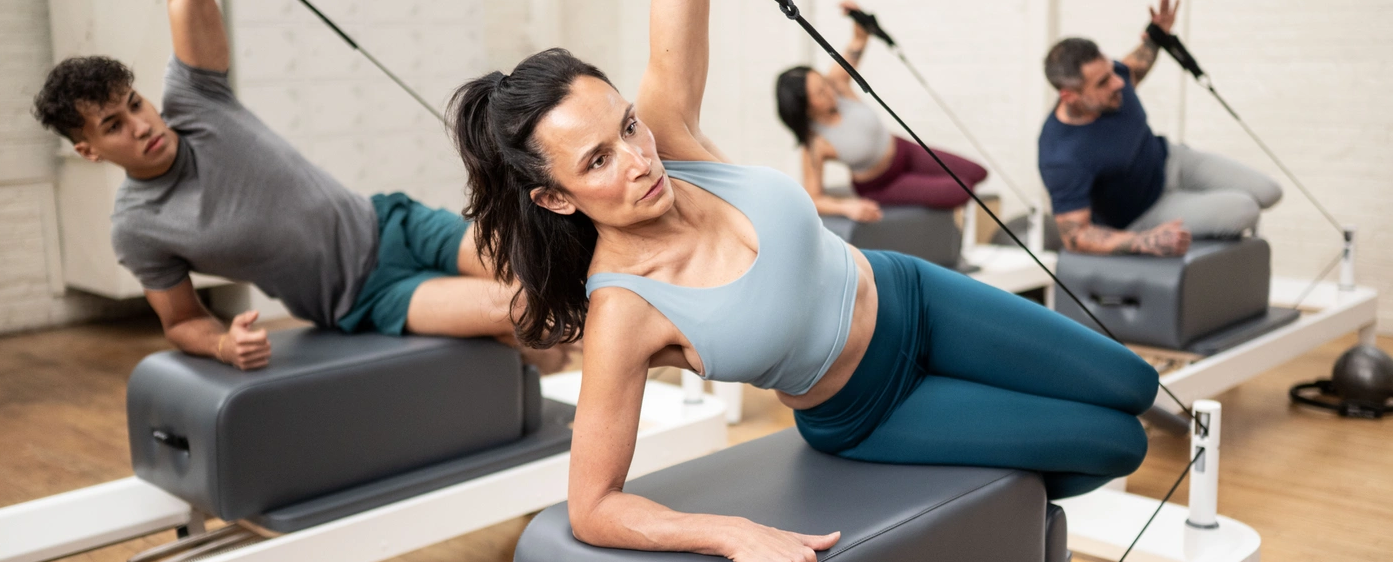
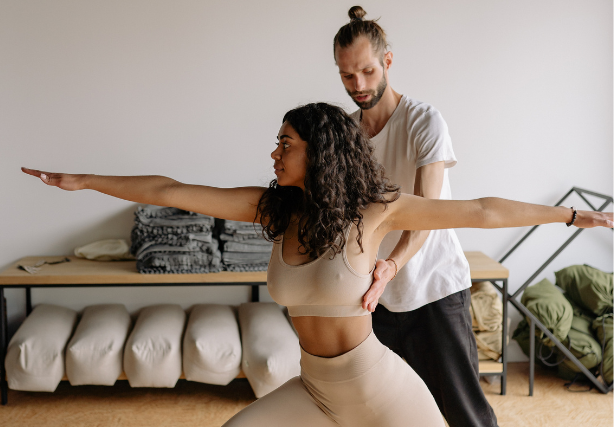
Joseph Pilates himself understood that true fitness encompasses more than just muscle strength; it involves mental fortitude and a deep awareness of one's own body. Pilates is often described as "mindful movement" for a reason. It demands your full attention, drawing you away from external distractions and into the present moment of your own physical experience. This intentional focus is the bedrock of its stress-reducing power. By consciously engaging with each movement, each breath, you begin to rewire your nervous system, shifting from a state of 'fight or flight' to one of 'rest and digest.'
The Power of Intentional Breath
One of the most immediate and impactful ways Pilates tackles stress is through its emphasis on breath. While we breathe unconsciously all day, Pilates teaches us to breathe consciously and effectively. The signature Pilates lateral breathing technique, for instance, isn't just about oxygenating the muscles; it's a direct pathway to calming the nervous system.
How it helps:
When we're stressed, our breathing often becomes shallow and rapid, reinforcing the stress response. Lateral breathing encourages deep, expansive inhales that widen the rib cage, and complete exhales that fully empty the lungs. This rhythmic, controlled breathing stimulates the vagus nerve, signaling to your brain that you are safe and can relax.
In practice:
Lie on your back, hands gently placed on your lower ribs. As you inhale, imagine your ribs expanding sideways, like an accordion. As you exhale, feel your ribs knitting back together, drawing your navel gently towards your spine. Focus solely on the sensation of your breath moving in and out, observing the subtle expansion and contraction. Even a few minutes of this can profoundly shift your state.
Cultivating Present Moment Awareness (Interoception)
In our fast-paced world, our minds are constantly jumping from past regrets to future anxieties. Pilates is a forced meditation in motion, demanding your presence. This practice enhances interoception, your ability to sense the internal state of your body – its position, its tension, its subtle sensations.
How it helps:
By focusing on the precise alignment, the engagement of specific muscles, or the smooth transition between movements, your mind has no room to wander to worries. This intense concentration acts as an anchor, grounding you firmly in the present. As you improve your interoceptive awareness, you become more attuned to the early warning signs of stress in your body – a tight neck, a shallow breath – allowing you to intervene before stress escalates.
In practice:
During an exercise like The Hundred, instead of just counting repetitions, truly feel the engagement of your abdominals, the lengthening through your spine, the steady rhythm of your breath. Notice any areas of unnecessary tension and consciously release them. Are you clenching your jaw? Soften it. Are your shoulders hiking up? Drop them down. This continuous internal dialogue builds profound self-awareness.
The Discipline of Controlled Movement
Pilates is famous for its emphasis on control and precision. Every movement is deliberate, mindful, and executed with intention. This isn't about speed or brute force; it's about thoughtful, intelligent engagement.
How it helps:
The act of performing movements with such meticulous focus requires a unique blend of physical and mental discipline. It builds self-efficacy and a sense of mastery. When you learn to control your body with such precision, you cultivate a sense of agency that can extend to other areas of your life, including your emotional responses. The feeling of successfully executing a challenging exercise, even a small one, releases endorphins and boosts confidence, counteracting feelings of helplessness often associated with stress.
In practice:
Consider the Roll Up. It's not just about getting up and down. It's about articulating each vertebra, controlling the descent and ascent with your core, and maintaining fluidity. Focus on the journey of the movement, not just the destination. This disciplined approach teaches your brain to slow down, break down challenges, and execute them with calm focus.
The Vagus Nerve Connection
Modern science increasingly validates what Joseph Pilates intuited. The controlled breathing and mindful movement central to Pilates actively engage the vagus nerve, the primary nerve of the parasympathetic nervous system. This system is responsible for the body's 'rest and digest' functions. By stimulating the vagus nerve through deep, diaphragmatic breathing and focused movement, Pilates helps to lower heart rate, reduce muscle tension, and decrease the production of stress hormones like cortisol, effectively shifting your physiology away from a stressed state.
I remember a client, Sarah, who came to me overwhelmed by her demanding job. She'd describe her mind as a "hamster wheel" that never stopped. After a few weeks of consistent practice, focusing intently on her breath and the subtle engagement of her core, she shared a breakthrough. During a particularly stressful meeting, she found herself instinctively taking a deep lateral breath, grounding her feet, and consciously relaxing her shoulders. "It was like I pressed a pause button," she told me. "I could think clearer, respond more calmly, instead of just reacting." That moment on the mat had truly translated into her real life.
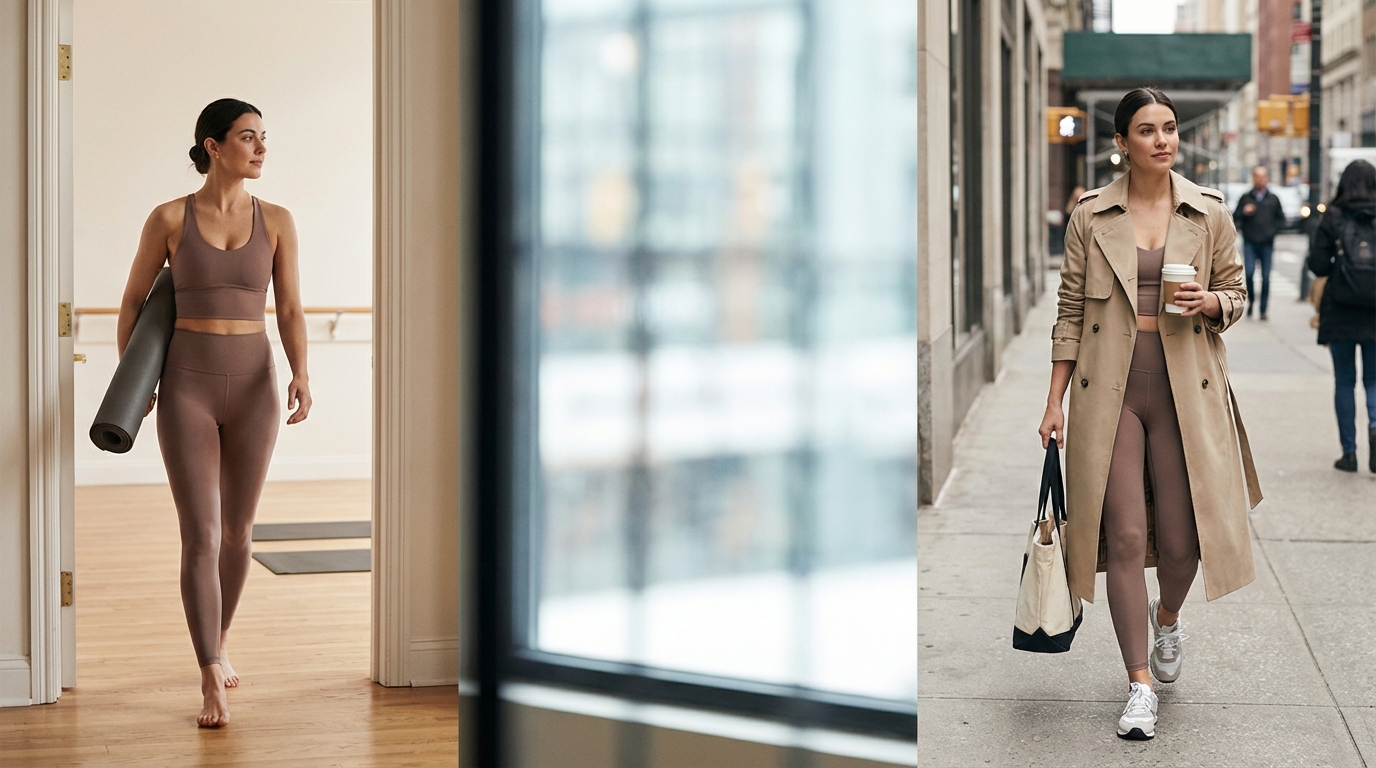
The skills you cultivate on the Pilates mat – the ability to breathe deeply, to be present, to move with intention – are not confined to the studio. They become portable tools for navigating the complexities of daily life. You learn to recognize the early signs of stress in your body and mind, and you gain the capacity to proactively respond, rather than react impulsively. Pilates teaches you to become an active participant in your own well-being, rather than a passive recipient of external pressures.
Pilates offers more than just physical transformation; it provides a profound pathway to mental resilience and emotional balance. By intentionally connecting your mind and body through breath, awareness, and controlled movement, you empower yourself to not just manage stress, but to truly transform your relationship with it. It’s a journey of self-discovery, leading to a calmer, more centered, and ultimately, more joyful existence.
Don't wait for stress to overwhelm you. Commit to your Pilates practice not just for your body, but for your mind. Take five conscious breaths right now, wherever you are. Feel the shift. Then, step onto your mat and unlock the incredible power of your own mind-body connection.