Owning a Small Pilates Studio in the Middle of a Pilates Boom
By By Jean Chen Smith ·
Owning a Small Pilates Studio in the
Middle of a Pilates Boom
By Jean Chen Smith
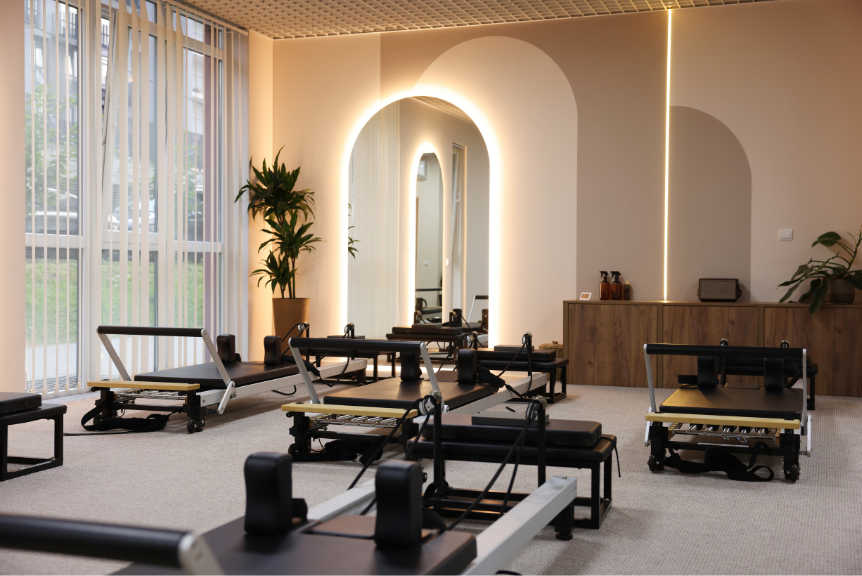
Four Reformers give you a particular view of the Pilates business. You notice an empty spot. You also notice when someone finally understands a cue you’ve tried explaining three different ways.
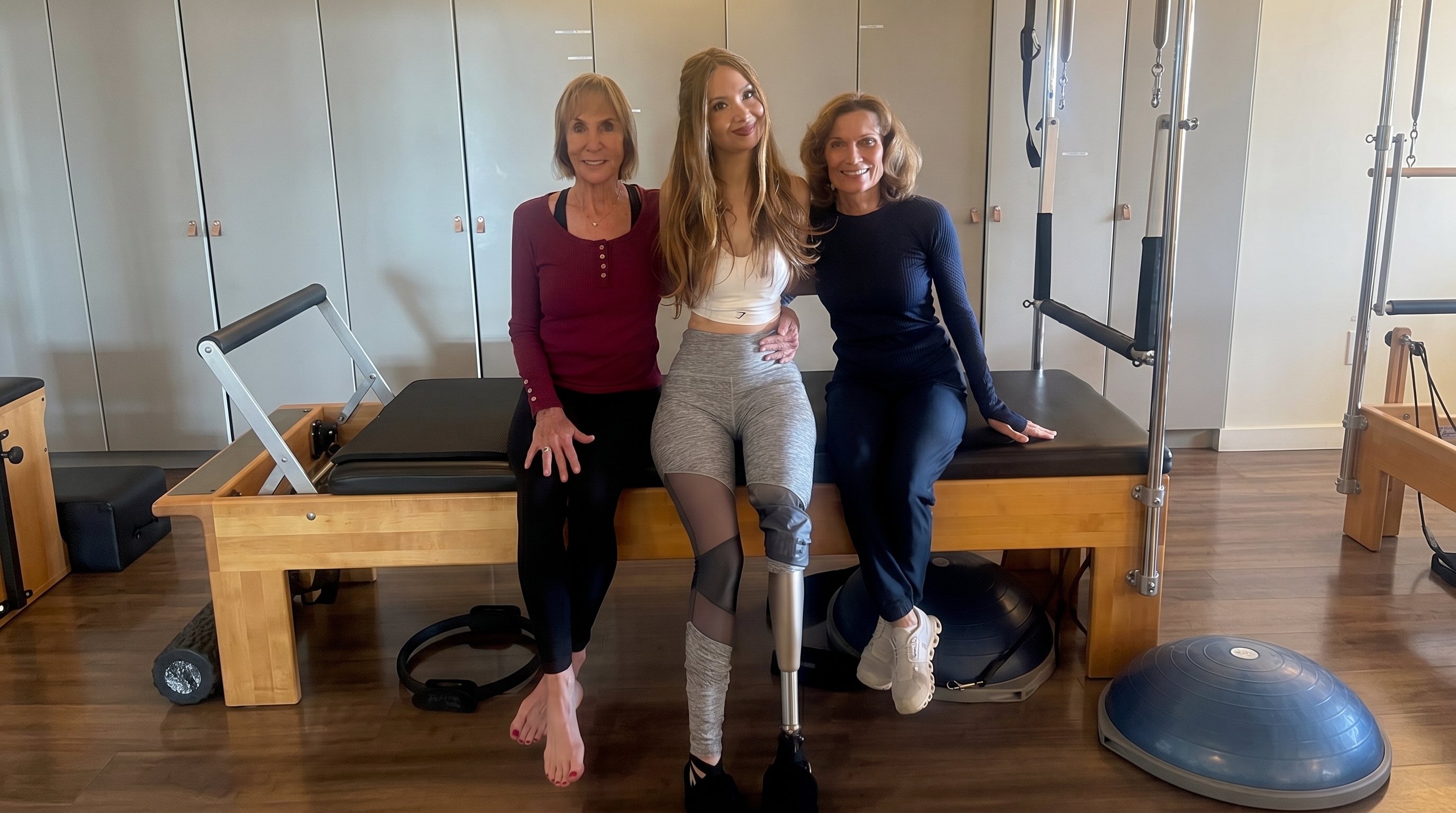
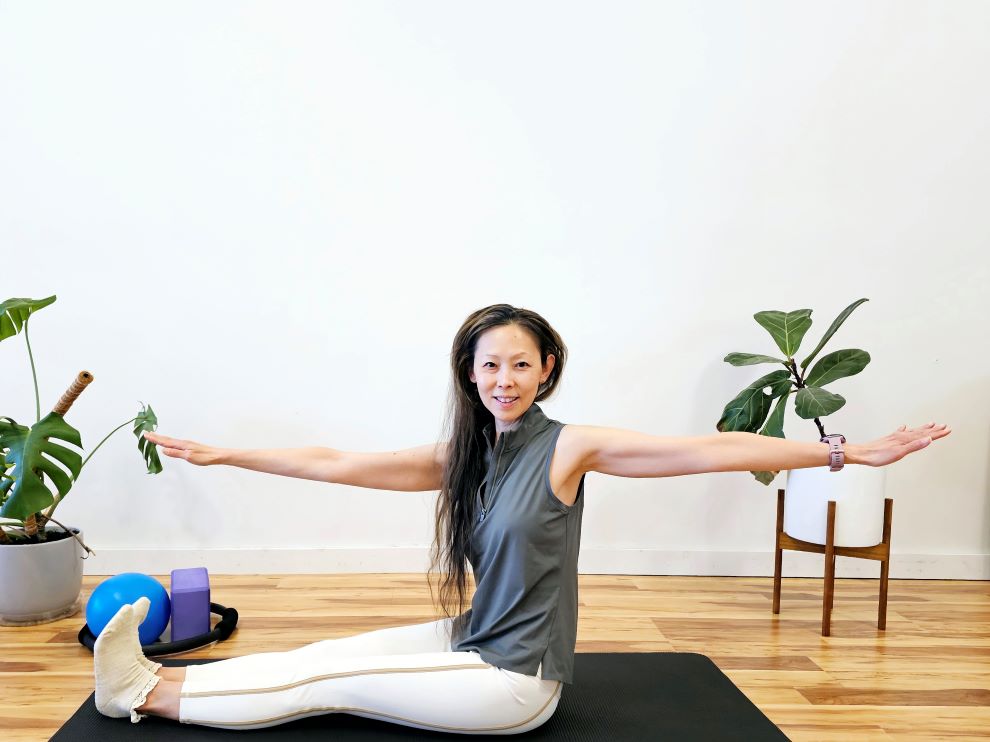
I’ve practiced Pilates for more than 25 years and taught it for over 15. For more than 11 of those years, I’ve owned Studio Cloud 9 Pilates in Corvallis, Oregon. Some clients have been with us since the beginning, continuing to make time for our classes through changes in their schedules, their bodies, and their lives. Their commitment has shaped how I teach and how I run the business.
As Pilates attracts more attention, I’m looking at familiar business questions with fresh eyes. Should I add another Reformer or two? Rethink how I package classes? Introduce levels?
With four Reformers, adding just one more would increase our class capacity by 25 percent. That’s a meaningful difference for a small business. It would also give our teachers another person to observe, guide, and make adjustments for in the same amount of time.
Those are the calculations behind my response to the Pilates boom. I want Studio Cloud 9 to thrive, and I have to weigh each opportunity against the personal attention that has brought clients back for years.
Four spots make the math personal
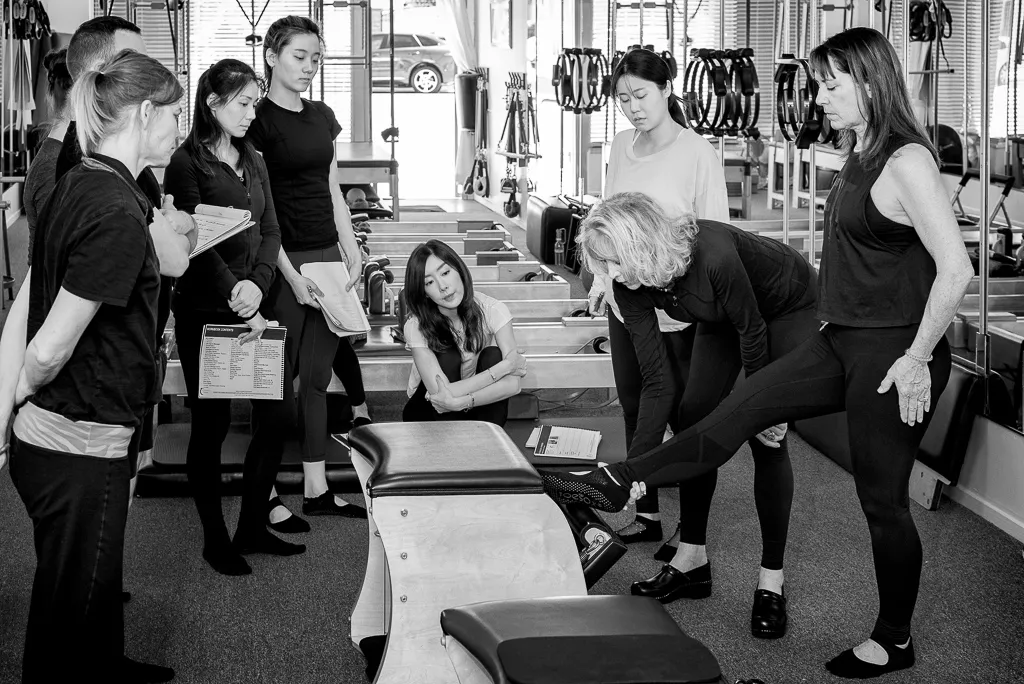
When I first started teaching Pilates, I taught at a gym. During my time there, I struggled to give everyone the guidance they needed. I’d help one person with their form while noticing someone across the room who needed an adjustment. When I opened Studio Cloud 9, I kept that experience in mind and deliberately limited class sizes. I wanted time to watch each client move, answer questions, and explain an exercise another way if the first cue didn’t quite connect.
Keeping classes small also shapes how I price them. Four spots have to support the rent, equipment maintenance, insurance, booking software, and cleaning, along with my teaching time and the work that happens between sessions.
An empty Reformer makes a difference, whether a class doesn’t fill or someone cancels too late for another client to take the spot. Our 24-hour cancellation policy helps protect that time.
I sometimes find it uncomfortable to enforce, especially when I know the person asking for an exception, but applying it consistently helps me keep the business sustainable.
I also know that clients make room for Pilates alongside other household expenses. I want them to feel the value of a small class in the instruction they receive: a cue that helps them find their alignment, an adjustment that makes a movement more comfortable, or an explanation that finally clicks. Those moments give us something to build on as their practice develops.
With four people in the room, I can follow up, see how someone responds, and offer more guidance when they need it. That’s the kind of teaching I wanted to make possible when I opened the studio.
The possibility of adding more spaces makes that decision worth revisiting. Another Reformer could help spread the cost of running a class, but I’d also need to consider spacing, our teachers’ workload, and the experience clients would receive. Before increasing capacity, I want to know that we can give each person the attention they came for. The financial benefit has to work alongside the teaching.
Why I don’t put levels on the schedule
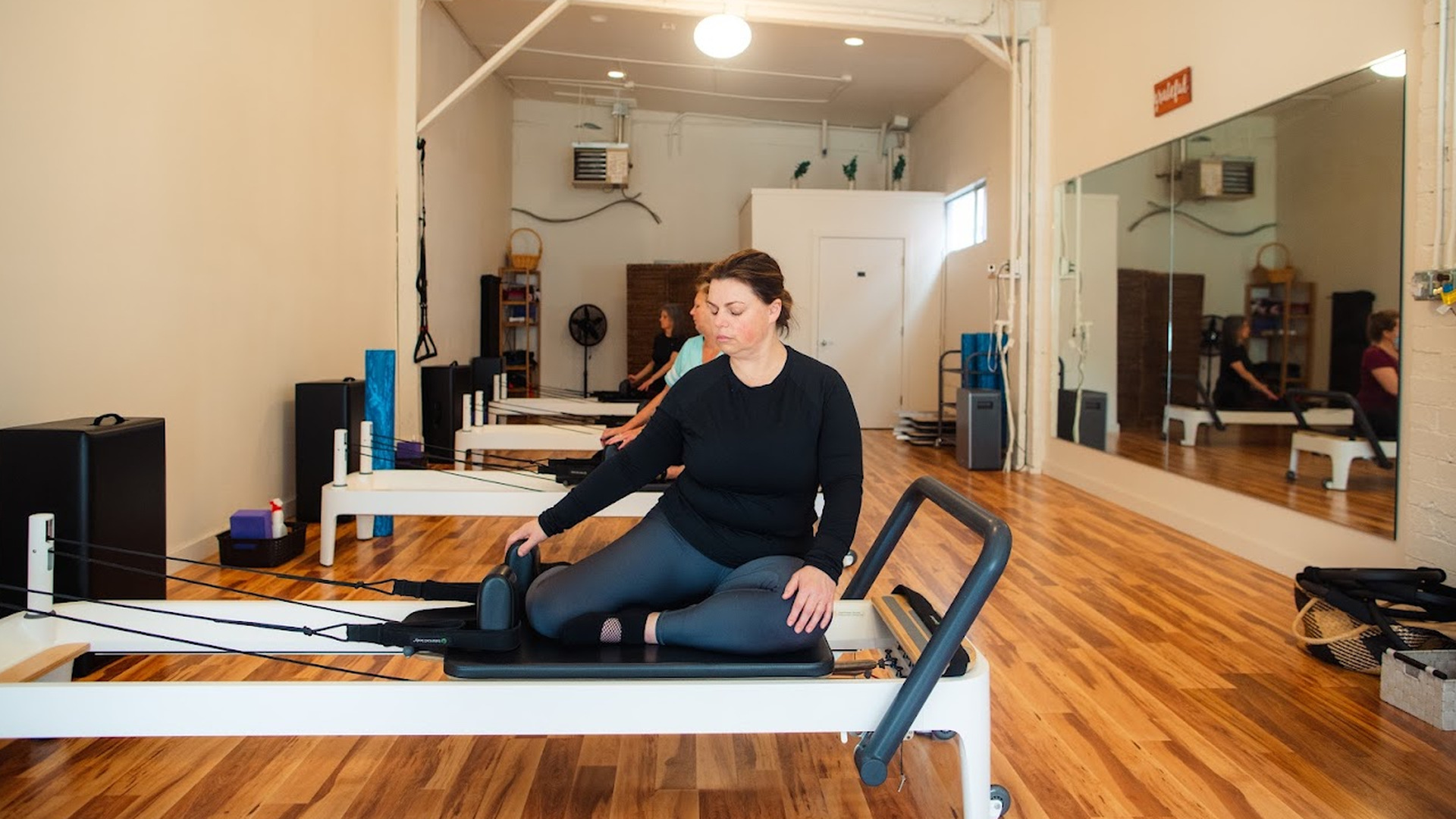
We don’t label our classes by level. After more than 15 years of teaching, I’ve found that a category on a schedule tells me very little about how someone will move that day. Our teachers bring their own experience and teaching styles to the room, while sharing that same commitment to individual attention.
A longtime client may need a different approach to an exercise they know well. A newcomer might pick up one movement quickly, then need more explanation for the next. Familiarity helps, but it doesn’t tell the whole story.
With four people in class, our teachers have time to notice those differences and respond. We can change the spring resistance, shorten the range of motion, adjust the pace, or offer another position. Those variations become a natural part of class, helping clients find an approach that works without feeling singled out.
Teaching this way takes attention and flexibility. Each instructor has to consider who’s in the room, how clients respond, and when another explanation might help.
We want clients to build strength, confidence, and greater control over their movement. Sometimes that means trying something more challenging. Other times, we spend longer on an exercise until a small adjustment makes it click. We make room for both, so clients can focus on their practice without worrying about which level they belong in.
The clients who remember the beginning
Longtime clients give a studio something that’s difficult to capture in a marketing plan.
They remember its earlier years. They’ve watched it develop. They know the experience well enough to recognize whether you’re keeping the promises that brought them back.
I feel a real responsibility toward those relationships. Familiarity should make me a more attentive teacher. It shouldn’t give me permission to stop looking closely.
A client who has practiced with me for years still deserves thoughtful instruction. I can’t assume that because we know each other, I know exactly what they need today.
At the same time, I want someone visiting for the first time to feel comfortable entering a room where other people may have known one another for a decade. That takes a welcome, an explanation, and a little consideration. A close community needs to leave room for its next member.
Deciding what deserves to change
After more than 11 years, I know the value of consistency. I also know how easily “this works for us” can become a reason to stop asking questions.
The Pilates boom gives me a useful push to examine the business. Could we make booking easier? Explain our classes more clearly to someone who has never tried a Reformer? Adjust the schedule in a way that works for clients and teachers? Those changes deserve as much consideration as adding equipment.
Our teachers help turn someone’s initial curiosity into a practice they want to continue. That takes more than a welcoming first class. We need to keep paying attention as clients gain experience, introduce challenges thoughtfully, and help them recognize their progress.
Some clients have given Studio Cloud 9 more than a decade of their time. Others are preparing to walk through the door for the first time. I want our decisions to serve both.
Owning a small studio during a Pilates boom means considering opportunities without letting the excitement make the decisions for me. If we add a Reformer or change our offerings, I want a clear reason rooted in how we teach and what the business can sustain. For now, four Reformers still give us plenty of work worth doing—and people worth doing it for.