The Ultimate Guide to Buying Your First At-Home Reformer
By PilatesStyle ·
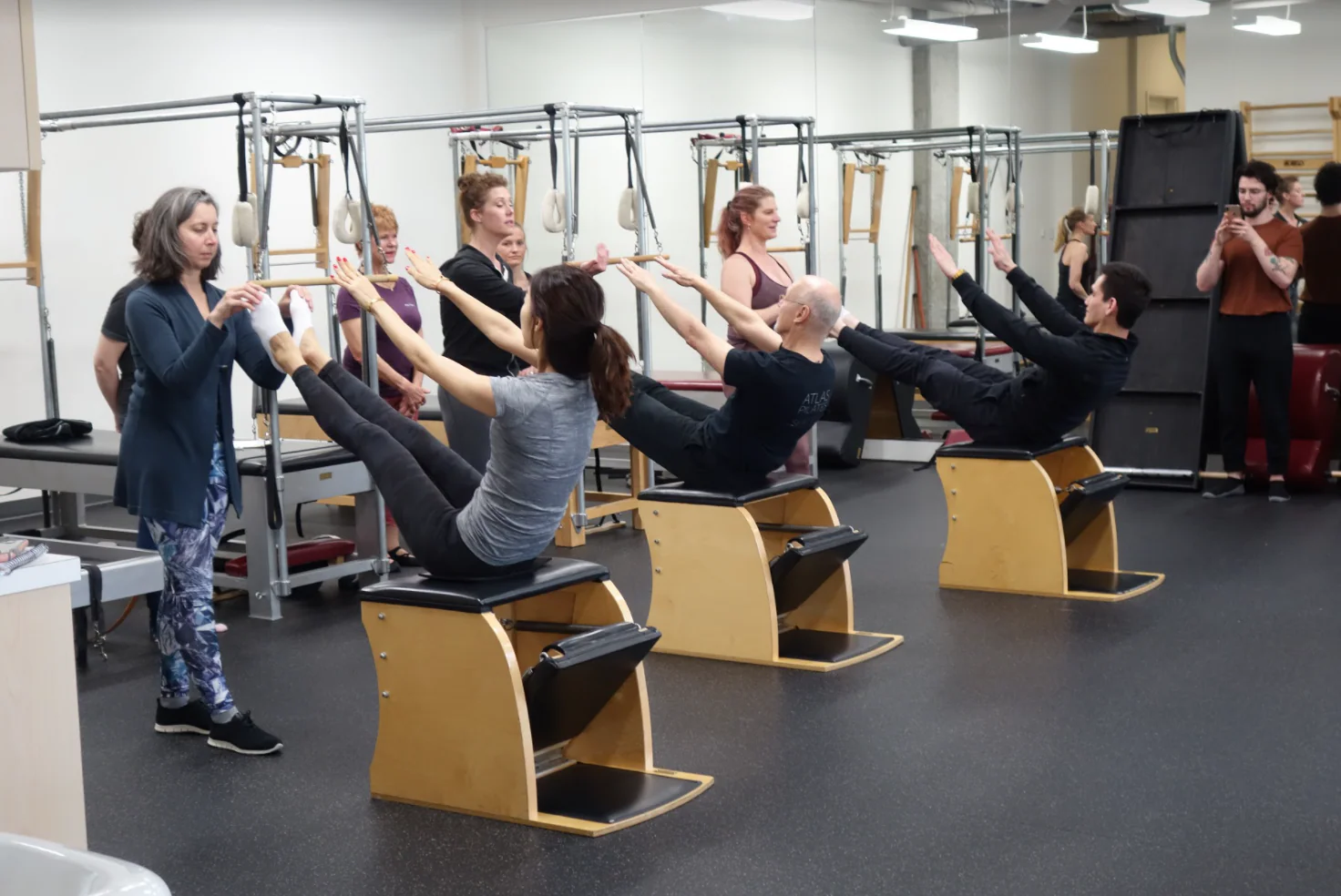
Imagine this: You’ve just finished a fantastic Pilates Reformer class. You feel taller, stronger, and completely re-energized. As you float out of the studio, a familiar thought niggles: “If only I could feel this good, this often, without juggling my work schedule, childcare, and rush-hour traffic.” Perhaps you’ve even started dreaming of having that sleek, powerful machine right in your living room, ready for you whenever inspiration strikes.
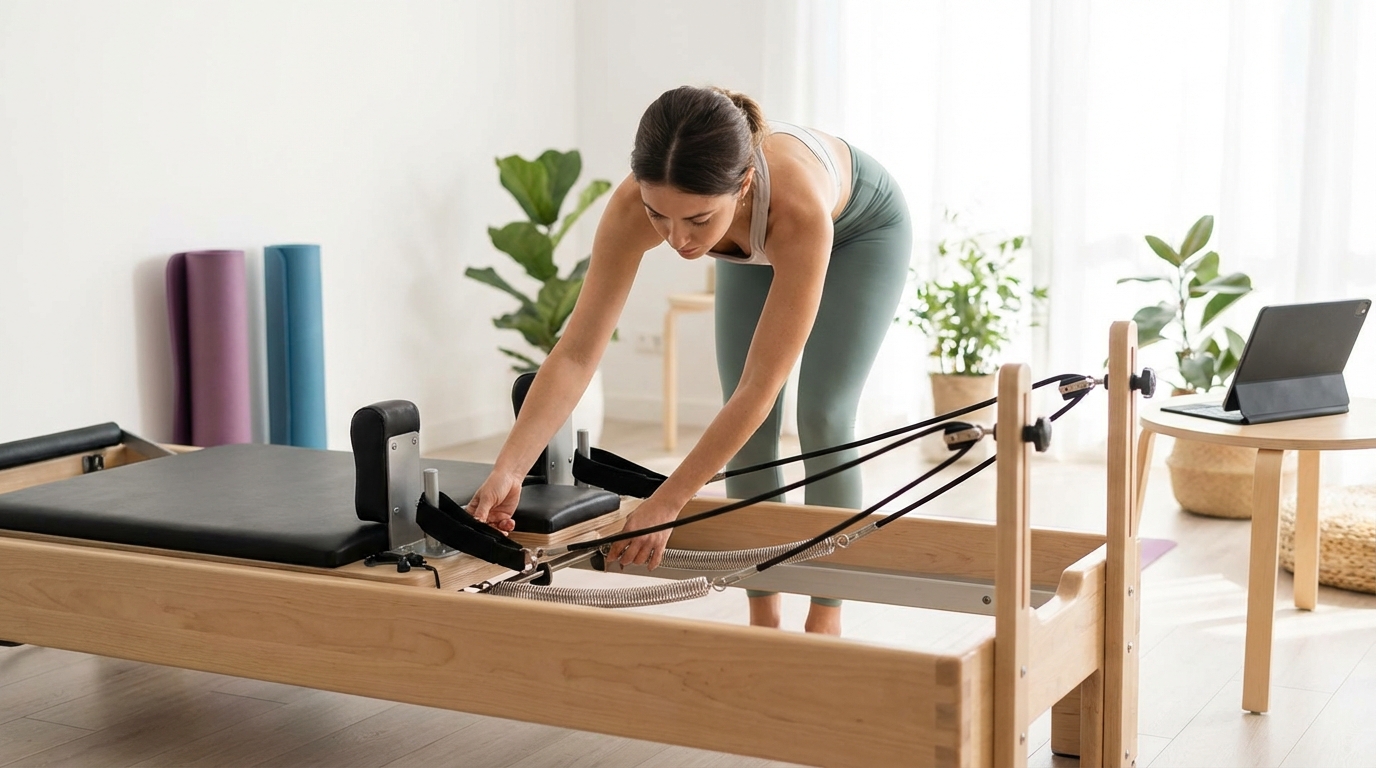
The idea of bringing a Pilates Reformer into your home is exhilarating, but for many, it quickly turns into a maze of specifications, brands, and price tags. It’s a significant investment, and you want to make the right choice – one that supports your practice for years to come. As a fellow Pilates enthusiast and instructor, I’m here to guide you through the exciting journey of selecting your very first at-home reformer, transforming that daunting maze into a clear path to consistent, joyful movement.
Key Considerations Before You Buy
Before you dive into brochures and online reviews, let’s get clear on what truly matters for your unique situation. Think of this as your pre-purchase assessment.
Space: Measure Twice, Buy Once
This is often the first and most critical factor. Reformers vary significantly in length, width, and even height. Consider not just the footprint of the machine itself, but also the necessary clearance around it for exercises, especially those requiring arm and leg extensions. Do you have high ceilings for a vertical frame or tower attachment? Do you need a reformer that folds or stores vertically to save space? Measure your designated area meticulously, including ceiling height, and compare it to the reformer’s dimensions and its required operational space.
Budget: An Investment in Yourself
Reformer prices range from a few hundred to several thousand dollars. While it’s tempting to go for the cheapest option, remember that this is an investment in your health and well-being. A higher quality machine often means smoother carriage glides, more durable springs, and better overall longevity. Establish a realistic budget, but also consider the long-term value. Financing options are often available, making a better-quality machine more accessible.
Your Pilates Goals: What Do You Want to Achieve?
Are you a beginner looking for foundational support? An intermediate practitioner wanting to deepen your practice? Or are you recovering from an injury and need specific modifications? Your goals will influence the features you need. For instance, a basic home reformer might suffice for general fitness, while someone aiming for advanced repertoire or rehabilitation might require a more robust, versatile machine with specific accessories like a jump board, sitting box, or even a half-trapeze attachment.
Features & Accessories: Customizing Your Experience
- Springs: Different brands use different spring systems and color codes, but the core idea is resistance. Ensure the springs offer enough variety for both light and heavy work.
- Carriage & Rails: Look for a smooth, quiet glide. This is crucial for seamless transitions and an enjoyable experience.
- Footbar: Adjustable footbars are essential for accommodating different body heights and exercises. Some offer multiple positions, others pivot.
- Straps & Pulleys: Comfortable straps and smooth-moving pulleys enhance your workout.
- Accessories: Common accessories include a jump board (for cardio and plyometrics), a sitting box (for seated exercises and stability challenges), and often a padded long/short box. Decide which of these are essential for your practice.
Strategies for Making an Informed Choice
1. The "Test Drive" Is Non-Negotiable
Just as you wouldn't buy a car without driving it, you shouldn't buy a reformer without trying it. Visit local Pilates studios (many use different brands) or showrooms if available. Pay attention to the feel of the carriage, the resistance of the springs, the comfort of the straps, and the ease of adjusting the footbar. How does it feel under your body? Does it support your movements effectively?
2. Research and Read Reviews Extensively
Once you’ve narrowed down a few contenders, dive deep into online reviews and community forums. Look for feedback on durability, customer service, ease of assembly, and how the reformer performs over time. Pay particular attention to reviews from people with similar goals and body types to yours.
3. Consider Resale Value
While you hope this reformer will be a lifelong companion, circumstances can change. Higher-quality, well-known brands tend to hold their value better, making it easier to sell or upgrade in the future. This practical approach makes your initial investment feel more secure.
An evidence-based concept that applies here is the Specificity of Training Principle. Simply put, your body adapts specifically to the demands placed upon it. Having a reformer at home allows for consistent, targeted practice, reinforcing the movements and muscle activation learned in the studio. This specificity accelerates your progress, deepens your understanding, and enhances your overall physical literacy, making your home practice an incredibly powerful tool.
In Practice: Sarah's Journey
My client, Sarah, always struggled to make her 6 AM studio classes. She loved Pilates but the consistency just wasn't there. After much deliberation, she invested in a mid-range home reformer that could store vertically. It wasn't the most expensive model, but it fit her space and budget perfectly. The first few weeks, she'd hop on for just 15-20 minutes whenever she had a spare moment – before work, during her kids' naptime. Soon, those short bursts turned into regular 30-45 minute sessions. Her studio instructor noticed a significant improvement in her core stability and endurance, attributing it directly to her dedicated home practice. Sarah often tells me, "It's not just a piece of equipment; it's my daily dose of calm and strength."
Reformer Recommendations (Illustrative Examples)
While specific models change, here are types of reformers to consider based on common needs:
- For the Budget-Conscious Beginner: Look for models like the AeroPilates series. These are often foldable, designed for home use, and provide excellent foundational movement at a lower price point, making Pilates accessible. (Illustrative link: AeroPilates)
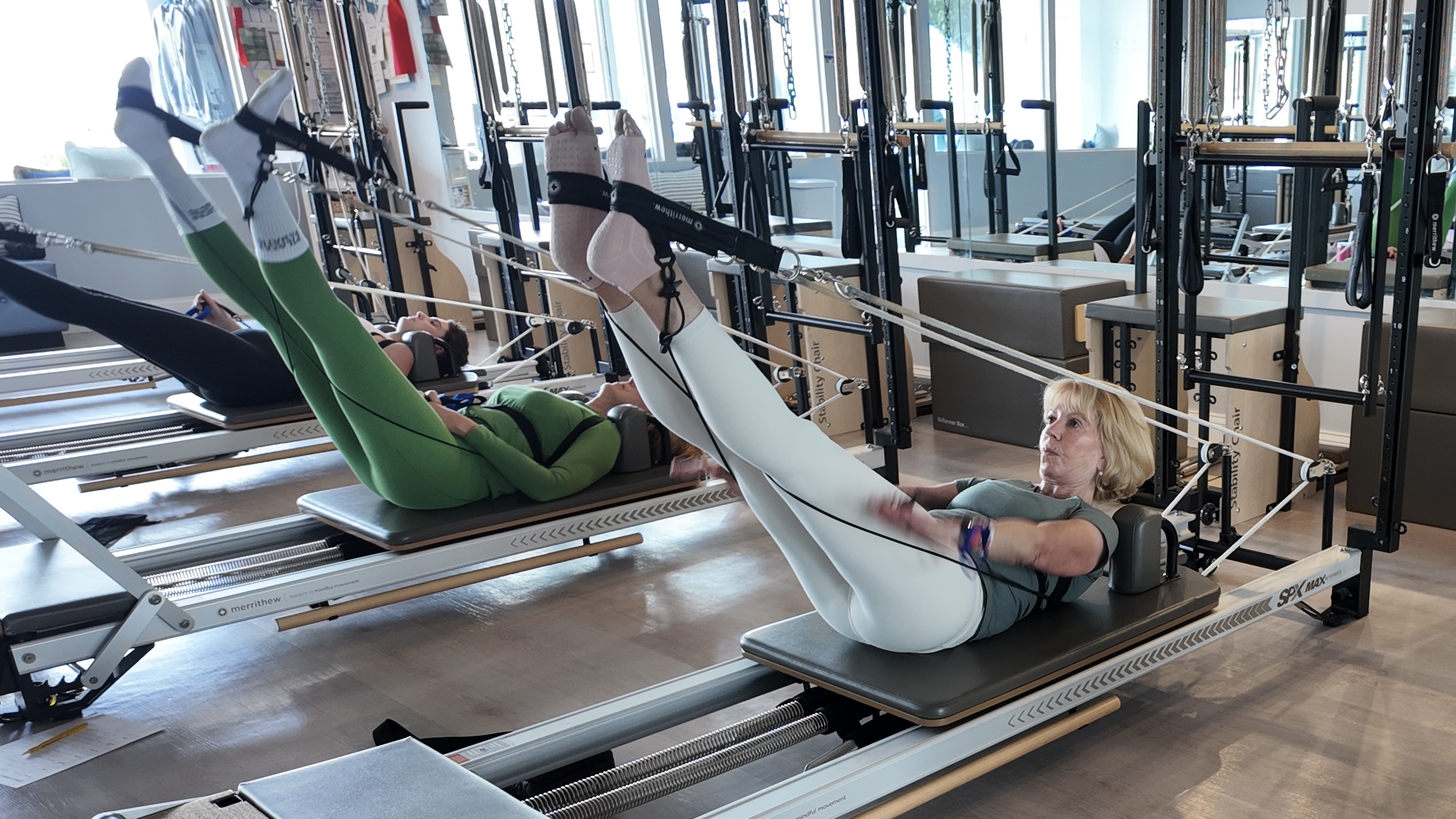
- For the Dedicated Home Practitioner (Mid-Range): Brands like Merrithew (SPX Max series) or Balanced Body (Allegro 2, IQ Reformer) offer robust, studio-quality feel with thoughtful design for home environments, often including vertical storage options. They strike a great balance between performance and practicality. (Illustrative link: Merrithew)
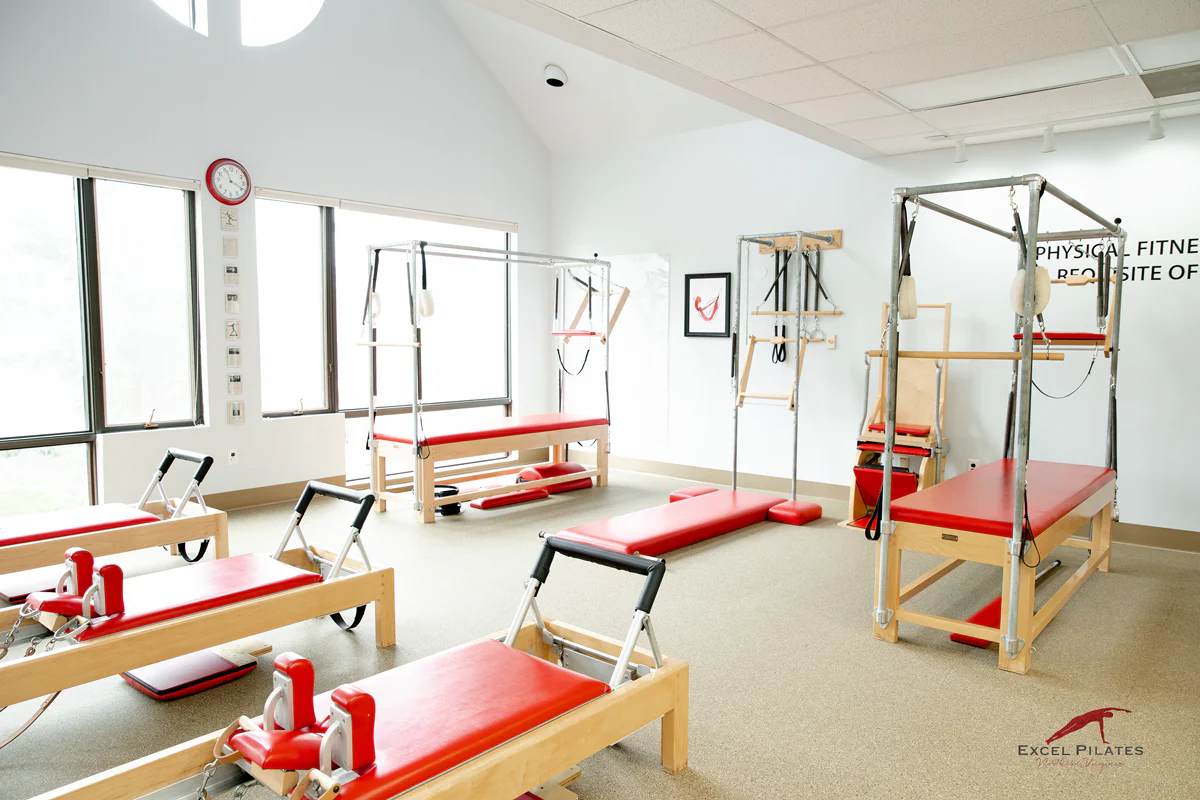
- For the Studio-Quality Experience at Home: If space and budget allow, consider full studio reformers from Balanced Body (e.g., Clinical Reformer, Allegro 2 with tower) or Peak Pilates. These are built for heavy use, offer the broadest range of accessories, and provide the most authentic studio feel. (Illustrative link: Balanced Body)
Important Notes on Purchasing & Setup
Once you've made your decision, clarify delivery and assembly. Many larger reformers require professional assembly or at least a strong helper. Understand the warranty terms and what they cover. Finally, remember that while the machine is home, you don't have to practice alone! Many online platforms offer excellent virtual reformer classes, ensuring you continue to learn and grow with your new equipment.
Buying your first at-home reformer is a thrilling step towards truly integrating Pilates into your daily life. By considering your space, budget, goals, and taking the time to research and "test drive," you’ll make a confident choice that brings the transformative power of the reformer directly to you. Get ready to deepen your practice, strengthen your body, and enjoy the unparalleled convenience of your very own Pilates sanctuary.