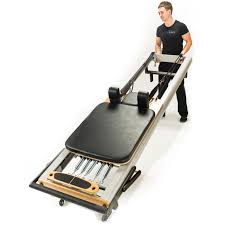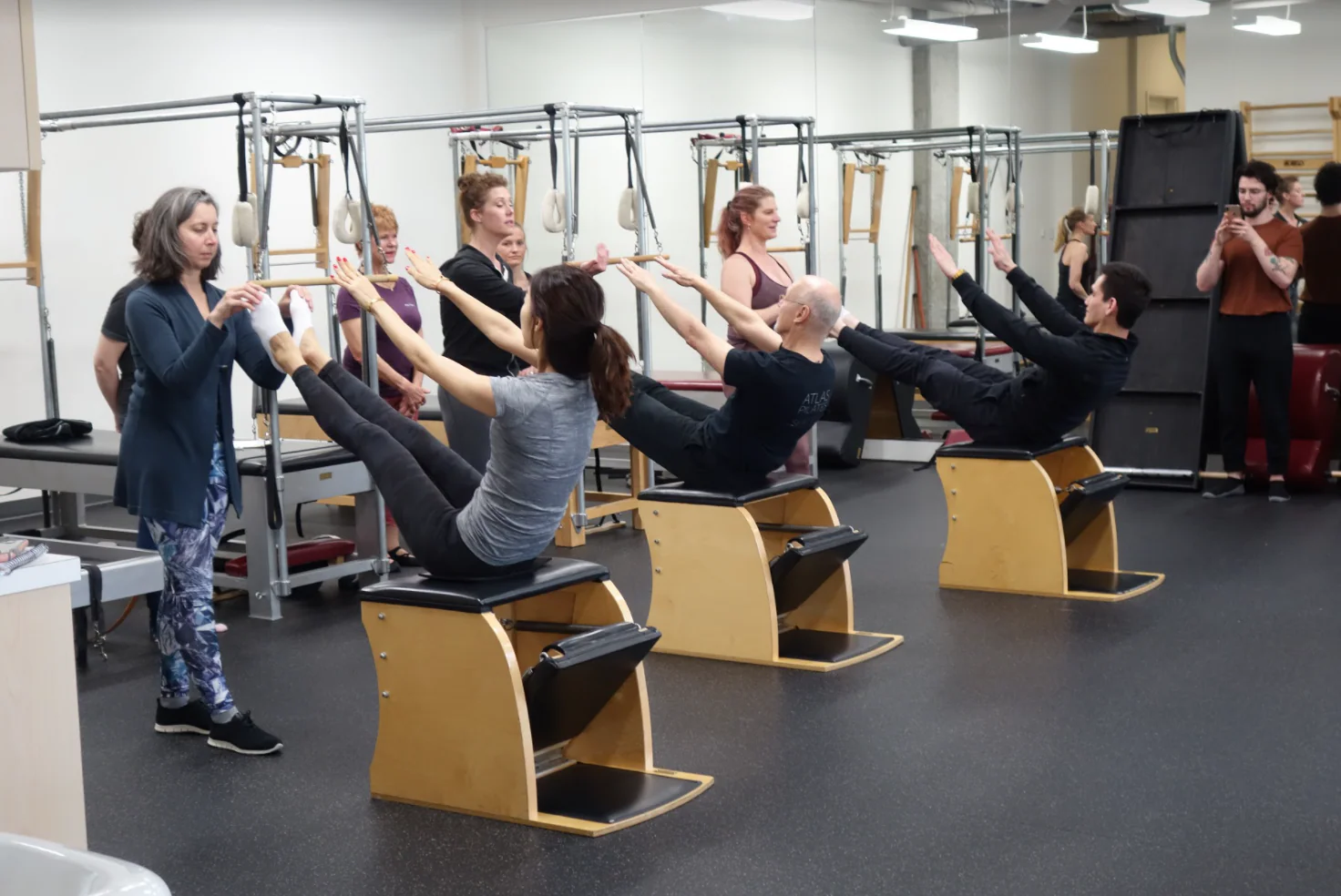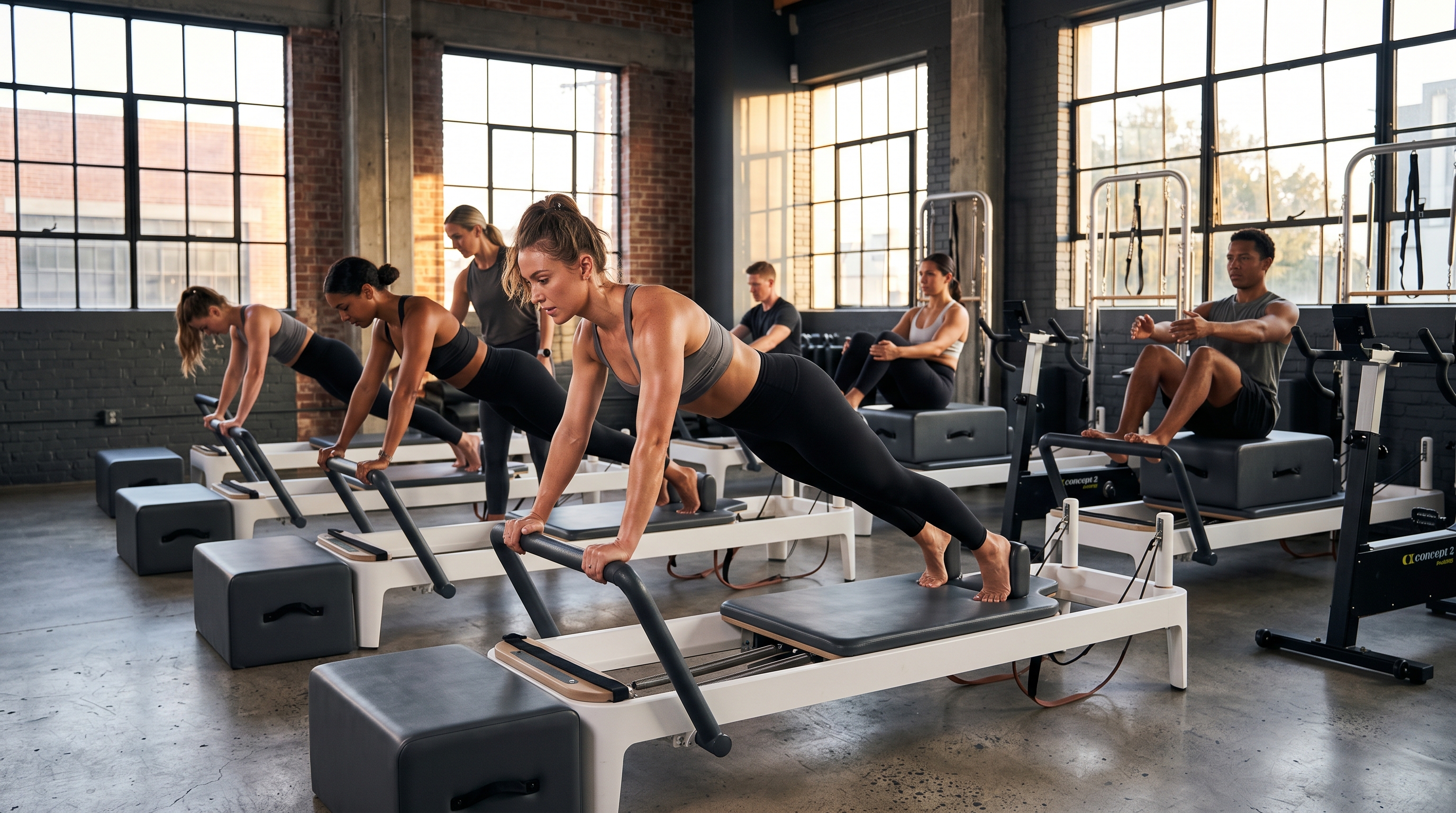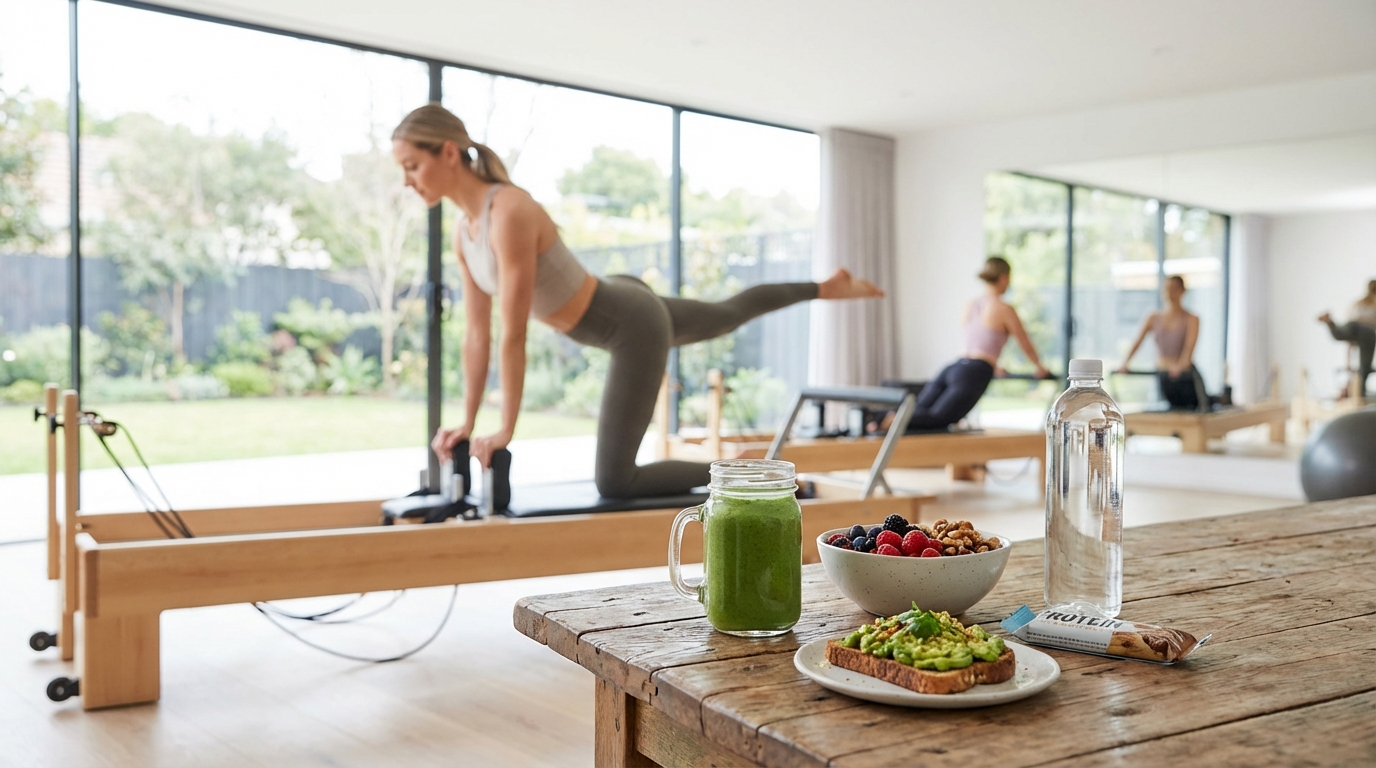
Imagine you’re halfway through a set of The Hundred. Your core is zipped, your gaze is fixed on your toes, and your breath is rhythmic. But suddenly, your energy bottoms out. Your arms feel heavy, your concentration wavers, and that signature Pilates "burn" starts to feel more like a struggle for survival than a focused muscular engagement. We have all been there—trying to find our center on an empty tank or, perhaps worse, feeling the sluggish discomfort of a heavy meal that hasn’t quite settled before hitting the Reformer.
In the world of Pilates, we often talk about the mind-body connection, but we rarely discuss the chemical fuel that makes that connection possible. Because Pilates focuses so heavily on eccentric muscle contractions, deep stabilizer activation, and breath control, our nutritional needs are unique. We aren’t looking for the massive calorie load of a marathon runner, nor the heavy protein bulk of a powerlifter. We need sustained energy, mental clarity, and efficient muscle repair. To truly fuel your flow, you must treat your kitchen like an extension of the studio.
Strategy 1: The Pre-Workout Precision Window
The goal of pre-Pilates nutrition is to provide enough glucose to fuel your brain and muscles without causing digestive distress during inversions or intense abdominal work. Because Pilates often involves "scooping" the abdominals and putting pressure on the digestive organs, timing is everything. Ideally, you should aim for a small, easily digestible snack 45 to 60 minutes before your session.
Focus on low-glycemic carbohydrates paired with a small amount of lean protein. Carbohydrates are your body’s preferred fuel source for the moderate-to-high intensity bursts required in a Pilates flow. Low-glycemic choices ensure that sugar is released slowly into your bloodstream, preventing the "crash" that can happen mid-class. Good examples include:
- A small apple or pear with a tablespoon of almond butter.
- A half-cup of Greek yogurt with a few berries.
- A single slice of sprouted grain toast with a thin layer of mashed avocado.
Avoid heavy fats, high-fiber beans, or large cruciferous vegetables immediately before class. These take longer to digest and can lead to bloating or discomfort when you are trying to find your deep transverse abdominis connection.
The Science of Glycogen and Muscle Precision
To understand why this matters, we can look at the concept of Glycogen Synthesis. Glycogen is the stored form of glucose in your muscles and liver. During a challenging Pilates session—especially one involving the Reformer springs or high-repetition mat work—your body draws on these stores to maintain muscular endurance. Research in sports nutrition consistently shows that maintaining adequate glycogen levels is crucial for "motor control precision." In Pilates, where a millimeter of adjustment in your pelvic placement changes the entire exercise, having a brain and nervous system fueled by stable blood sugar is the difference between a productive workout and a sloppy one.
Strategy 2: The Post-Workout Recovery Phase
Once you step off the mat, the focus shifts from performance to repair. Pilates creates micro-tears in the muscle fibers, particularly during the eccentric (lengthening) phase of exercises like the Chest Expansion or Leg Circles. To repair these fibers and build the long, lean strength we strive for, you need protein and hydration.
The "Golden Hour"—the 60 minutes following your workout—is the optimal time to consume a recovery meal. This is when your insulin sensitivity is highest, meaning your muscles are primed to soak up nutrients. A 3:1 ratio of carbohydrates to protein is often recommended for general recovery. In practice, this might look like:
- A smoothie with one scoop of whey or pea protein, a banana, and spinach.
- Quinoa salad with roasted chicken or chickpeas and lemon vinaigrette.
- A turkey and hummous wrap on a whole-grain tortilla.
Don't forget rehydration. While you might not sweat as profusely in Pilates as you do in a spin class, the deep lateral breathing used in the Method results in significant water vapor loss. Replacing fluids, potentially with a pinch of sea salt or an electrolyte drop, helps prevent post-class headaches and muscle cramping.
In Practice: The Morning Practitioner
Consider Elena, a dedicated student who attends a 7:00 AM Reformer class three times a week. For months, she practiced on an empty stomach, thinking it would help with "burning fat." However, she found herself shaking uncontrollably during the Short Box Series and felt "foggy" at work afterward. We adjusted her routine: she started drinking 8 ounces of water upon waking and eating half a banana 30 minutes before class. Immediately after class, she had a hard-boiled egg and a small container of oatmeal. Within two weeks, her stability improved, the "shakes" disappeared, and her energy levels remained stable until lunch. She wasn't eating more; she was simply eating smarter.
Your Actionable Takeaway
To optimize your next Pilates session, follow the "Light-to-Lean" rule. Eat a light, carb-focused snack 60 minutes before you flow to ensure mental focus and muscle stamina. Follow your session with a lean protein and complex carb meal within the hour to facilitate tissue repair. Most importantly, listen to your body’s biofeedback. If you feel sluggish, add a few more carbs pre-workout; if you feel heavy, lengthen the time between your meal and your mat. By syncing your nutrition with your movement, you don't just finish the workout—you master it.